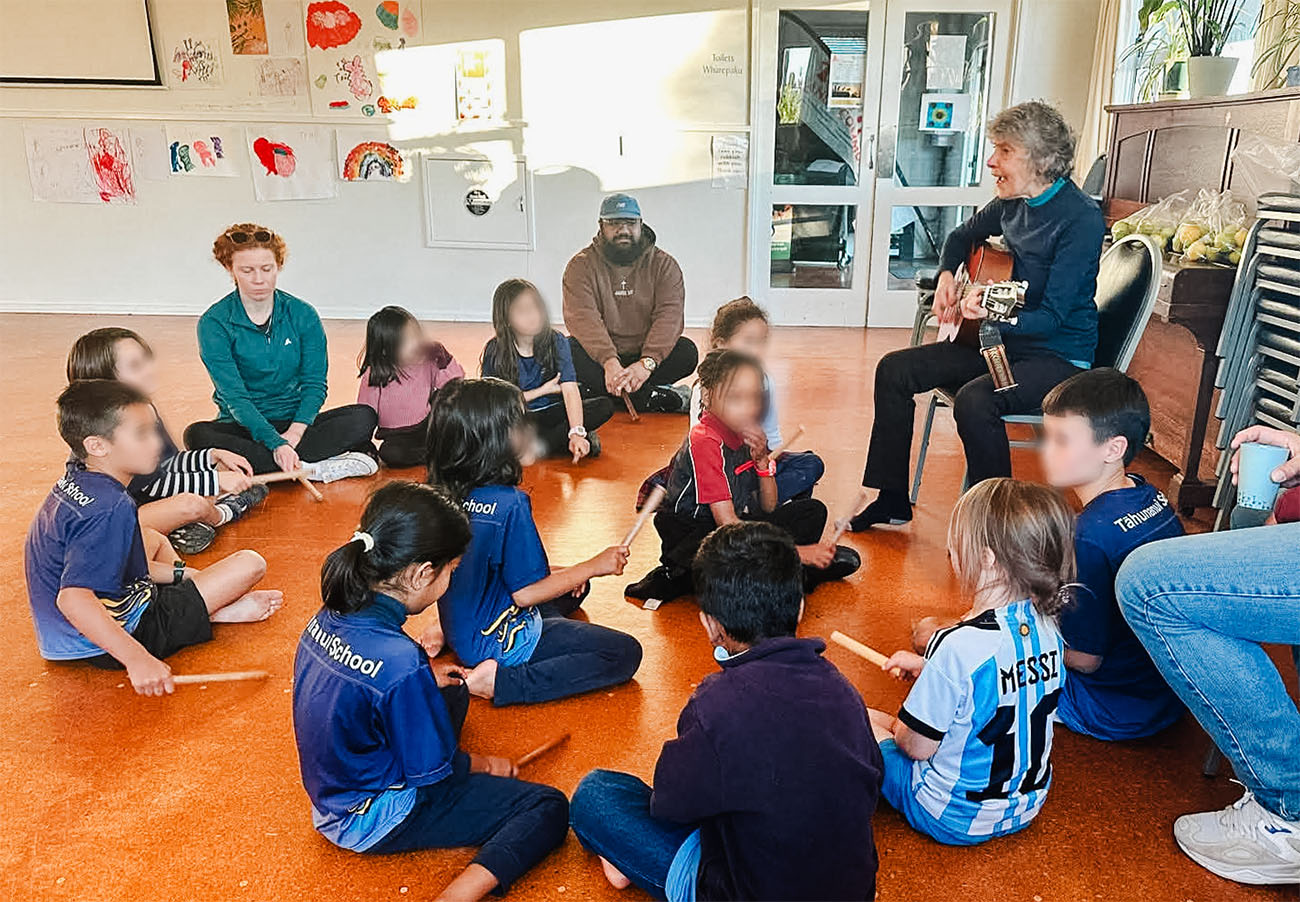
Monday Club is an after-school programme run by St Stephens out of the Tāhunanui Community Hub. I spoke with Maria, who leads the programme.
Maria: The reason why I wanted a club was because there are so many children these days who know nothing about Jesus.
One of the most memorable examples of that was at Chill, our preschool group at St Stephens. Some older kids were there, and a seven-year-old boy came up to me and said, "Maria, Jesus isn't actually real. Did you know that?"
It wasn’t just the fact that he said God isn't real. It was the way it was said, like there was no significance to Jesus. He was just trying to correct me – he thought I was under the misapprehension there was a God!
It made me think, what chance do these children have, when all they have to go by is something they’ve heard as a throwaway comment – what chance do they have of then getting to know God?
How much easier would it be if Jesus had an opportunity to speak for himself? I know that there is power in the Word of God, and children should have the opportunity to experience that for themselves. And yet where can they have that unless their parents have a faith?
Maria: I asked two people to help from our congregation, Tessa and Shawn. These two young people are in their twenties, so a lot more child-adjacent than I am. Shawn is Tuvaluan – and our local community is a melting pot of cultures. It was important to have somebody that they could more readily identify with. Both of these wonderful young people said yes straight away, changing their Monday afternoon plans. They are truly amazing. Tessa has started running the teaching section and Shawn is about to do it too. They both bring new ideas, enthusiasm, much grace and a deep love for Jesus to this programme.
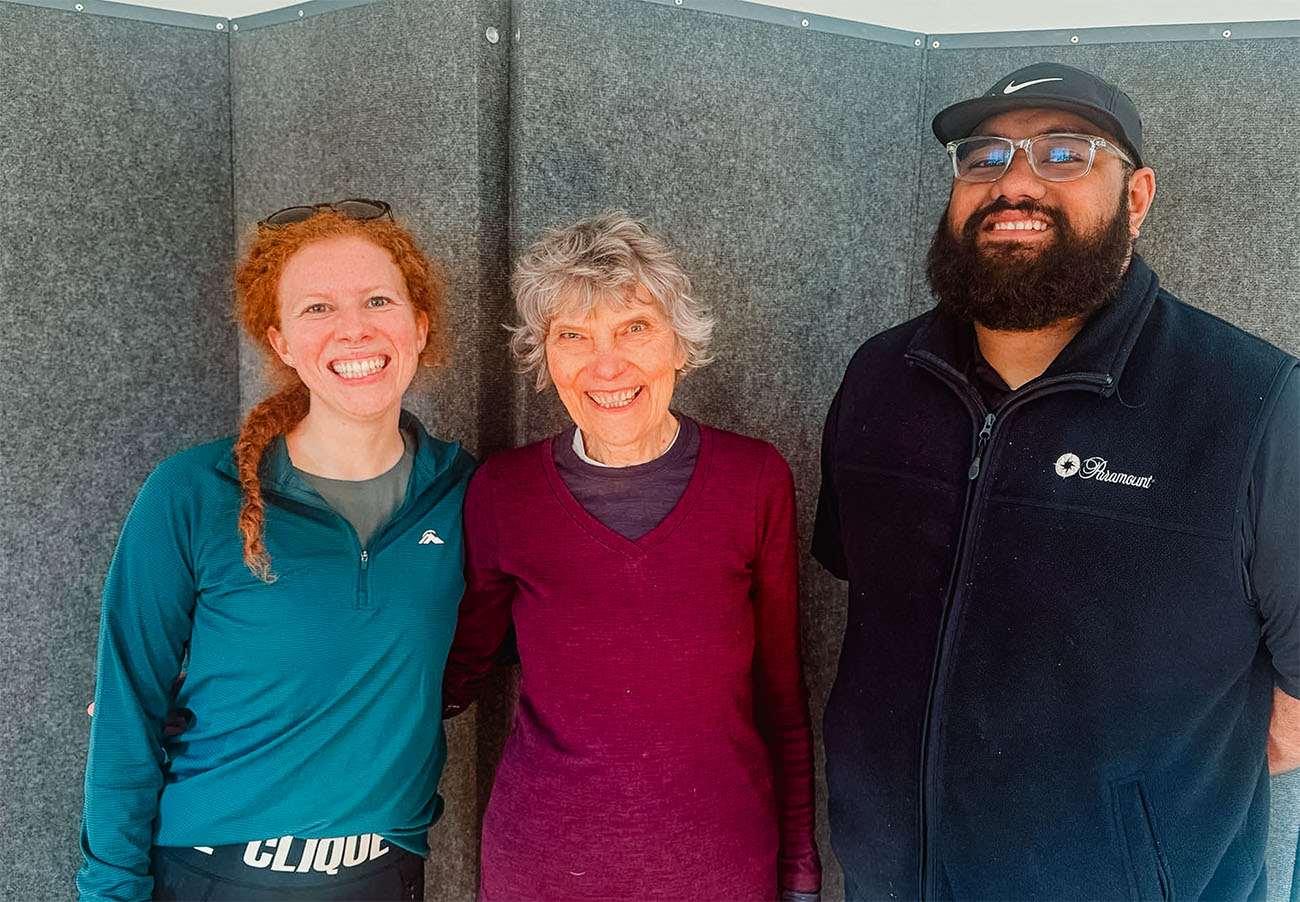
When we met, I said, “Shawn, if you were eight or nine, what would attract you to a thing like this?” He said, “Free food.”
So the formula that we came up with as a team was: free food, fun games, some waiata, and Jesus stories.
The heading “Monday Club” seemed to be a good way of describing it rather than “Jesus Club”, so it was not a barrier to coming for those who were not sure about Jesus. We wanted to see children in here who thought, Not sure if I'm going to come to this, but it's got games, it's got food… Let me just try it.
Because Tāhunanui School is just about next door to the Tāhunanui Community Hub, we have it there, and advertise at the school.
The Hub allows us to use the whole space for free. Murray is so amazing and supportive of this programme. I keep apologising for the noise we make, but he says, “I love it, keep going.”
Maria: We start with food – the kids have just come out of school, so they're hungry. We do cheese toasties to give them something kind of substantial. We can use the Hub’s pantry, but the wonderful Lesley from our church bakes biscuits for us too. Before the kids go home, they each get one of Lesley's homemade biscuits.
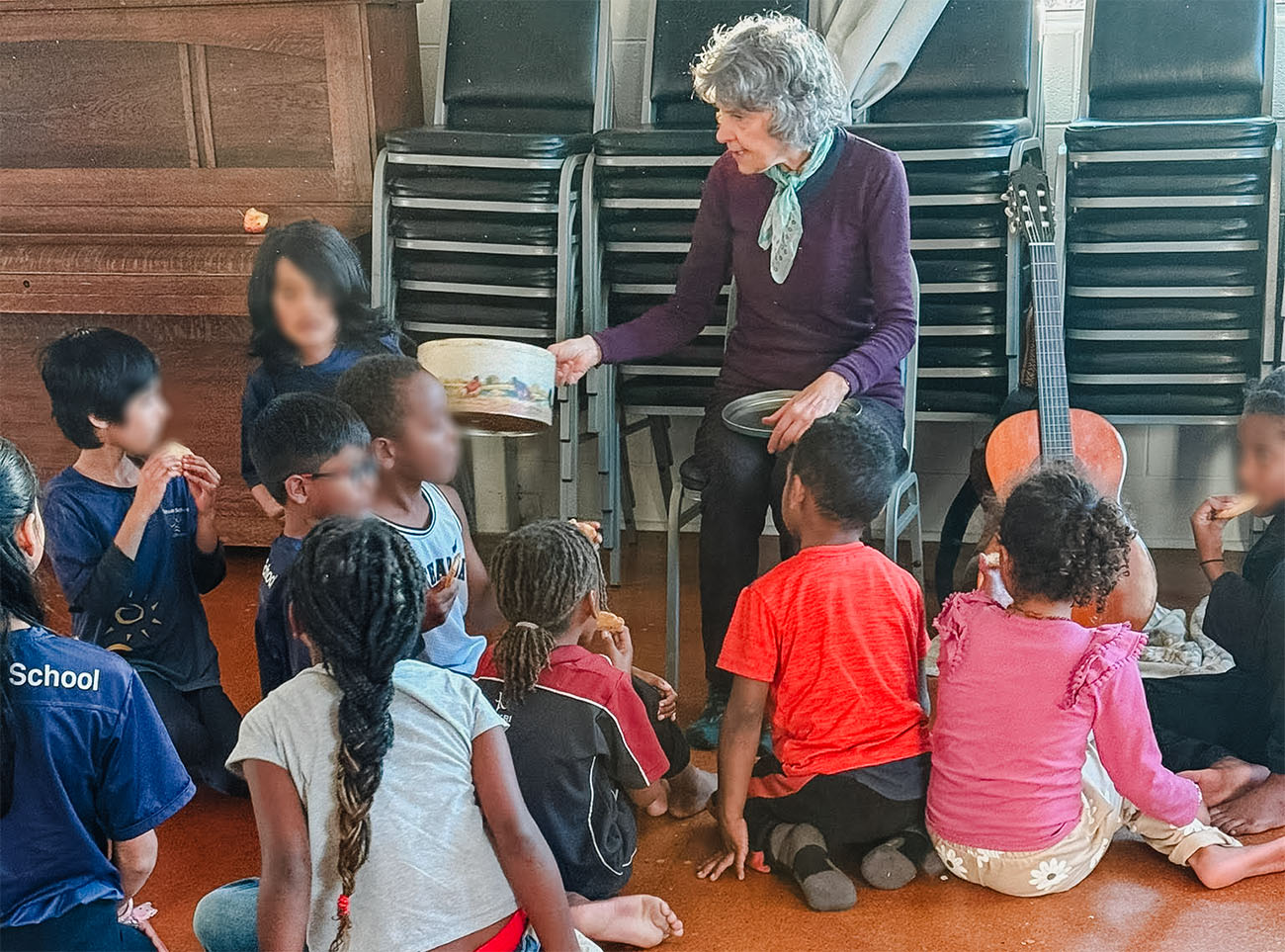
Then one of us will start on the story.
Going through the parables and stories of Jesus is a good way to start. Jesus talks about the kind of values that we should demonstrate as followers, and these are values that most people would agree with – kindness and forgiveness and gentleness and courage. Children from any background are able to take those on board. We started really, gently because we didn't want to be seen as pushing beliefs onto someone who had absolutely no idea about our faith.
What we are trying to do is make kids curious. What is Jesus about?
After one of us tells the story, we talk about it and we pray. We relate back to their lives. We talked about the blind leading the blind recently, and so many interesting ideas came out of that. We asked, “What if you trust yourself to somebody who’s got some ideas that aren’t kind and gentle? And that friend says, ‘Let's steal lollies from the shop,’ and puts pressure on you – who would find it hard to say, ‘No I'm not doing that’?” Hands went up. “So what do you need? What do we need to ask Jesus for?” And one child said, “Courage”.
Then we go next door into this massive big hall and there will be a game that reflects the content of the story in a really playful way. Kids of that age, they love running! Tessa, Shawn and I get stuck in with the games. The sense of enjoyment is so contagious.
One week we did the story of the plank and the speck in the eye. We had these huge downpipes and the kids had to run with them across the hall, looking for little specks on the other team.
Another time we had the verse with “a bruised reed he will not break, and a faintly burning wick he will not quench”, so I had a little tealight with me as I told the story. And for the game, they had to run around from one end of the hall to the other with a tealight in a spoon and keep the flame from going out.
Once we've done the game that relates to the story, Tessa does another game with them, like Four Corners or Seaweed or one of the games I've never heard of before – she does a fabulous job. Then Shawn often leads a song. We love the Māori song Te Aroha. We sing it in two-part harmony now. We talk briefly about what these words mean.
Then we have another prayer reinforcing the main point, and we ask, “How can we pray for you for the week? And then would somebody like to pray?” Sometimes one of the kids puts their hand up.
Maria: Almost everyone who has come once has come again. Last Monday we had 19 children there.
The parents often stay, and some of them join in. One week when we did the Good Samaritan, we needed an extra person for the game. So I asked a granddad who’d never been before, “Could you lie down on that blanket and be the other person?” In teams of three, the kids had to run over to us and apply two bandages and four plasters and then drag us to the other side of the hall. That was just such fun for everyone involved, reinforcing a deeper message.
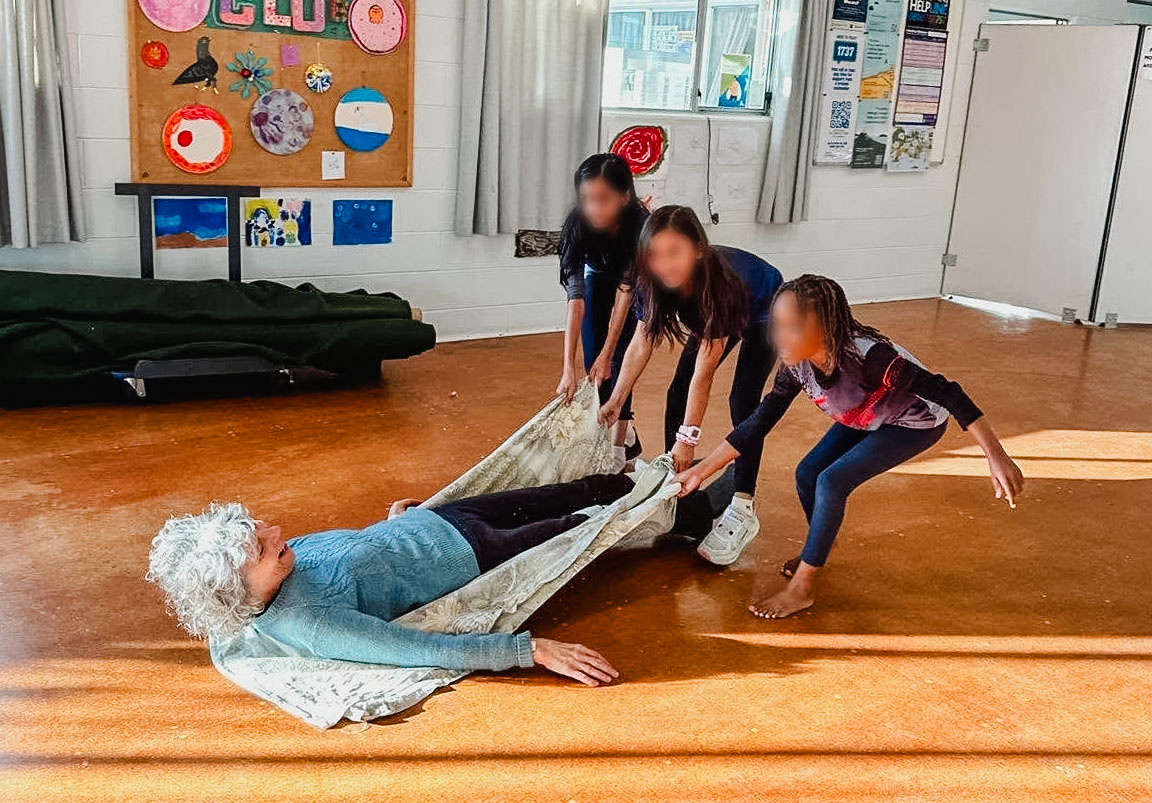
The other week, Shawn couldn’t make it. And we were doing the lost sheep and we needed somebody to blow up balloons to be our sheep for the game. So one dad came and blew up 22 balloons.
Maria: At the moment there’s just the three of us. It would be lovely to have some more, even if they are just available on some of the days.
We would need somebody who’s available from 2:30pm to 5pm. It’s got to be somebody who loves kids, who is not afraid of a bit of chaos and a bit of noise. Somebody who’s got a fair amount of energy, a good sense of humour and a deep love for Jesus.
Maria: Oh, absolutely. It’s totally able to be replicated. It’s important not to use jargon, not to go in with things that already require a great input of faith. Like Jesus stilling the waters, the feeding of the 5,000 – these are stories that for us who already believe, make us think Wow, how wonderful is God. But somebody who has no idea of Jesus, it's going to be quite a big leap to do that. So I think it's important to remain sensitive to where your listeners are coming from, not shying away, but also, like Paul says, “I’m all things to all people.” And I think that's what he meant. Customise your message to your listeners.
I’m happy to share about this with anyone. Any interested people could come to our sessions a few times to get an idea of it. We are super passionate about it. God has gone ahead of us all the way, bringing Tessa and Shawn, the free venue, most of our food through Lesley, it’s just amazing. We also have great prayer support from our congregation at St Stephens. We are so thankful to God for making it possible to do this.
Check out other articles in the
series below.
More articles in the
series are to come.

We have invited these writers to share their experiences, ideas and opinions in the hope that these will provoke thought, challenge you to go deeper and inspire you to put your faith into action. These articles should not be taken as the official view of the Nelson Diocese on any particular matter.
Monday Club is an after-school programme run by St Stephens out of the Tāhunanui Community Hub. I spoke with Maria, who leads the programme.
Maria: The reason why I wanted a club was because there are so many children these days who know nothing about Jesus.
One of the most memorable examples of that was at Chill, our preschool group at St Stephens. Some older kids were there, and a seven-year-old boy came up to me and said, "Maria, Jesus isn't actually real. Did you know that?"
It wasn’t just the fact that he said God isn't real. It was the way it was said, like there was no significance to Jesus. He was just trying to correct me – he thought I was under the misapprehension there was a God!
It made me think, what chance do these children have, when all they have to go by is something they’ve heard as a throwaway comment – what chance do they have of then getting to know God?
How much easier would it be if Jesus had an opportunity to speak for himself? I know that there is power in the Word of God, and children should have the opportunity to experience that for themselves. And yet where can they have that unless their parents have a faith?
Maria: I asked two people to help from our congregation, Tessa and Shawn. These two young people are in their twenties, so a lot more child-adjacent than I am. Shawn is Tuvaluan – and our local community is a melting pot of cultures. It was important to have somebody that they could more readily identify with. Both of these wonderful young people said yes straight away, changing their Monday afternoon plans. They are truly amazing. Tessa has started running the teaching section and Shawn is about to do it too. They both bring new ideas, enthusiasm, much grace and a deep love for Jesus to this programme.
When we met, I said, “Shawn, if you were eight or nine, what would attract you to a thing like this?” He said, “Free food.”
So the formula that we came up with as a team was: free food, fun games, some waiata, and Jesus stories.
The heading “Monday Club” seemed to be a good way of describing it rather than “Jesus Club”, so it was not a barrier to coming for those who were not sure about Jesus. We wanted to see children in here who thought, Not sure if I'm going to come to this, but it's got games, it's got food… Let me just try it.
Because Tāhunanui School is just about next door to the Tāhunanui Community Hub, we have it there, and advertise at the school.
The Hub allows us to use the whole space for free. Murray is so amazing and supportive of this programme. I keep apologising for the noise we make, but he says, “I love it, keep going.”
Maria: We start with food – the kids have just come out of school, so they're hungry. We do cheese toasties to give them something kind of substantial. We can use the Hub’s pantry, but the wonderful Lesley from our church bakes biscuits for us too. Before the kids go home, they each get one of Lesley's homemade biscuits.
Then one of us will start on the story.
Going through the parables and stories of Jesus is a good way to start. Jesus talks about the kind of values that we should demonstrate as followers, and these are values that most people would agree with – kindness and forgiveness and gentleness and courage. Children from any background are able to take those on board. We started really, gently because we didn't want to be seen as pushing beliefs onto someone who had absolutely no idea about our faith.
What we are trying to do is make kids curious. What is Jesus about?
After one of us tells the story, we talk about it and we pray. We relate back to their lives. We talked about the blind leading the blind recently, and so many interesting ideas came out of that. We asked, “What if you trust yourself to somebody who’s got some ideas that aren’t kind and gentle? And that friend says, ‘Let's steal lollies from the shop,’ and puts pressure on you – who would find it hard to say, ‘No I'm not doing that’?” Hands went up. “So what do you need? What do we need to ask Jesus for?” And one child said, “Courage”.
Then we go next door into this massive big hall and there will be a game that reflects the content of the story in a really playful way. Kids of that age, they love running! Tessa, Shawn and I get stuck in with the games. The sense of enjoyment is so contagious.
One week we did the story of the plank and the speck in the eye. We had these huge downpipes and the kids had to run with them across the hall, looking for little specks on the other team.
Another time we had the verse with “a bruised reed he will not break, and a faintly burning wick he will not quench”, so I had a little tealight with me as I told the story. And for the game, they had to run around from one end of the hall to the other with a tealight in a spoon and keep the flame from going out.
Once we've done the game that relates to the story, Tessa does another game with them, like Four Corners or Seaweed or one of the games I've never heard of before – she does a fabulous job. Then Shawn often leads a song. We love the Māori song Te Aroha. We sing it in two-part harmony now. We talk briefly about what these words mean.
Then we have another prayer reinforcing the main point, and we ask, “How can we pray for you for the week? And then would somebody like to pray?” Sometimes one of the kids puts their hand up.
Maria: Almost everyone who has come once has come again. Last Monday we had 19 children there.
The parents often stay, and some of them join in. One week when we did the Good Samaritan, we needed an extra person for the game. So I asked a granddad who’d never been before, “Could you lie down on that blanket and be the other person?” In teams of three, the kids had to run over to us and apply two bandages and four plasters and then drag us to the other side of the hall. That was just such fun for everyone involved, reinforcing a deeper message.
The other week, Shawn couldn’t make it. And we were doing the lost sheep and we needed somebody to blow up balloons to be our sheep for the game. So one dad came and blew up 22 balloons.
Maria: At the moment there’s just the three of us. It would be lovely to have some more, even if they are just available on some of the days.
We would need somebody who’s available from 2:30pm to 5pm. It’s got to be somebody who loves kids, who is not afraid of a bit of chaos and a bit of noise. Somebody who’s got a fair amount of energy, a good sense of humour and a deep love for Jesus.
Maria: Oh, absolutely. It’s totally able to be replicated. It’s important not to use jargon, not to go in with things that already require a great input of faith. Like Jesus stilling the waters, the feeding of the 5,000 – these are stories that for us who already believe, make us think Wow, how wonderful is God. But somebody who has no idea of Jesus, it's going to be quite a big leap to do that. So I think it's important to remain sensitive to where your listeners are coming from, not shying away, but also, like Paul says, “I’m all things to all people.” And I think that's what he meant. Customise your message to your listeners.
I’m happy to share about this with anyone. Any interested people could come to our sessions a few times to get an idea of it. We are super passionate about it. God has gone ahead of us all the way, bringing Tessa and Shawn, the free venue, most of our food through Lesley, it’s just amazing. We also have great prayer support from our congregation at St Stephens. We are so thankful to God for making it possible to do this.
Check out other articles in the
series below.
More articles in the
series are to come.