“What does the Lord require of you?” asks the prophet Micah. “To act justly and to love mercy and to walk humbly with your God.”
In New Zealand, over 2,200 cases of elder abuse are reported each year. And it is estimated that only 25% cases are actually reported, which means that the true number could be around 10,000 every year.1
15 June marked World Elder Abuse Awareness Day, and conversation around supporting our older people has been highlighted this week.
So how do we, as a church, as Christians, and individuals, make a difference? How can we act justly, love mercy, and humbly walk alongside our older people?
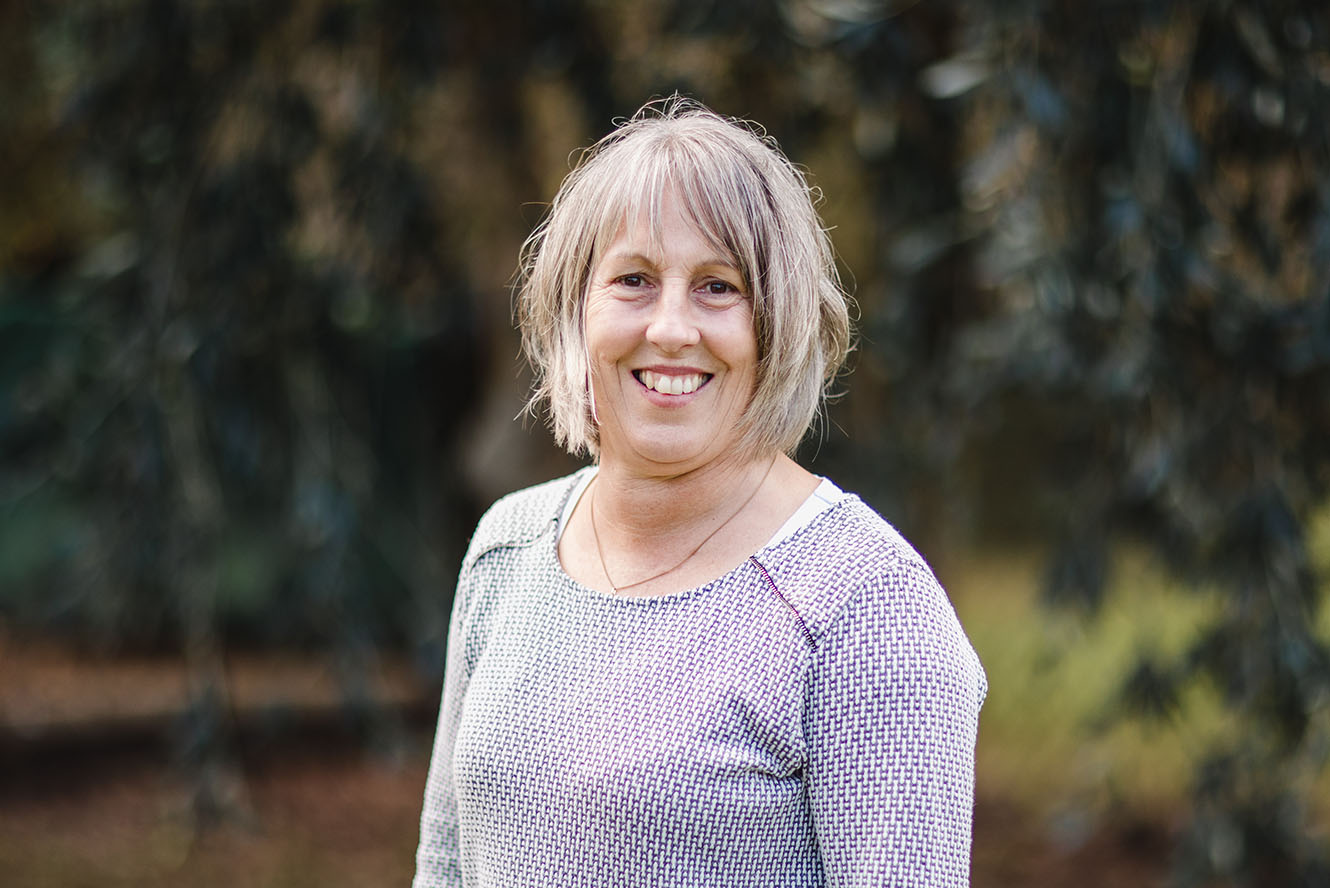
With this in mind, I approached Tanya Charles from Motueka Age Concern to help us understand. Tanya is an elder abuse response advisor, whose background in policing and nursing, combined with her love and respect for older people, brings valuable insight to this conversation.
Tanya: I am employed as an elder abuse response advisor for Age Concern Nelson Tasman. My mahi involves supporting older people to live happy, healthy, independent lives that are free from harm. On a day-to-day basis I visit people in the community, work collaboratively with partner agencies and deliver education and training around elder abuse.
Tanya: Elder abuse can happen to anyone and occurs when older people are ignored, disrespected, hurt, isolated, manipulated or stolen from.
One common type of abuse is financial – this includes scams, like romance scams, which are rife as they are designed to be plausible. It could also be misuse of an enduring power of attorney, preventing an older adult from accessing care services with a view to increasing the size of the estate they inherit. Or it could look like use of home and assets without contribution – there are more adult children in New Zealand living with their parents than ever before.
Another type is psychological abuse, which might look like ridicule or humiliation (“You’re mad”), threats or bullying (“I’ll put you in a care home”), power and control (“You’re not spending my inheritance”), and emotional blackmail (“You won’t see your grandchildren”).
Sadly, there is frequently more than one type of abuse occurring concurrently.
Tanya: Studies in New Zealand suggest one in ten experience abuse, however international figures indicate the real number could be as high as one in six older adults.
Abuse is likely under reported for a variety of reasons. It may be that older people don’t want to make a fuss, or fear being cut off from family for speaking out.
Tanya: Due to a lifetime of accumulated knowledge and experience, older people are often highly capable and, in my experience, can be excellent problem solvers.
For those looking to embrace older age, it may help to understand the resources and strategies available for maintaining independence. Age Concern are here to help with this, but here are some suggestions that you may wish to consider:
Tanya: Looking after older people is not only essential in ensuring their health, dignity and independence, it also honours their contributions to both family and society.
Love and cherish your older relatives. Honour the wisdom of kaumātua (older people). Speak respectfully and listen to their stories.
Visit older people in your neighbourhood. Involve them in social activities, and enable them to set their own pace.
Encourage kaumātua to make their own decisions. Support them to use their money for their own needs.
Tanya: Age Concern offers free, confidential, specialist elder abuse response services throughout New Zealand.
If you have concerns about how you or someone you know is being treated, the Elder Abuse Response Services helpline is free, and available 24 hours a day on 0800 32 668 65.
1 Health New Zealand / Te Whatu Ora, Elder abuse and neglect.
Check out other articles in the
series below.
More articles in the
series are to come.
We have invited these writers to share their experiences, ideas and opinions in the hope that these will provoke thought, challenge you to go deeper and inspire you to put your faith into action. These articles should not be taken as the official view of the Nelson Diocese on any particular matter.
“What does the Lord require of you?” asks the prophet Micah. “To act justly and to love mercy and to walk humbly with your God.”
In New Zealand, over 2,200 cases of elder abuse are reported each year. And it is estimated that only 25% cases are actually reported, which means that the true number could be around 10,000 every year.1
15 June marked World Elder Abuse Awareness Day, and conversation around supporting our older people has been highlighted this week.
So how do we, as a church, as Christians, and individuals, make a difference? How can we act justly, love mercy, and humbly walk alongside our older people?
With this in mind, I approached Tanya Charles from Motueka Age Concern to help us understand. Tanya is an elder abuse response advisor, whose background in policing and nursing, combined with her love and respect for older people, brings valuable insight to this conversation.
Tanya: I am employed as an elder abuse response advisor for Age Concern Nelson Tasman. My mahi involves supporting older people to live happy, healthy, independent lives that are free from harm. On a day-to-day basis I visit people in the community, work collaboratively with partner agencies and deliver education and training around elder abuse.
Tanya: Elder abuse can happen to anyone and occurs when older people are ignored, disrespected, hurt, isolated, manipulated or stolen from.
One common type of abuse is financial – this includes scams, like romance scams, which are rife as they are designed to be plausible. It could also be misuse of an enduring power of attorney, preventing an older adult from accessing care services with a view to increasing the size of the estate they inherit. Or it could look like use of home and assets without contribution – there are more adult children in New Zealand living with their parents than ever before.
Another type is psychological abuse, which might look like ridicule or humiliation (“You’re mad”), threats or bullying (“I’ll put you in a care home”), power and control (“You’re not spending my inheritance”), and emotional blackmail (“You won’t see your grandchildren”).
Sadly, there is frequently more than one type of abuse occurring concurrently.
Tanya: Studies in New Zealand suggest one in ten experience abuse, however international figures indicate the real number could be as high as one in six older adults.
Abuse is likely under reported for a variety of reasons. It may be that older people don’t want to make a fuss, or fear being cut off from family for speaking out.
Tanya: Due to a lifetime of accumulated knowledge and experience, older people are often highly capable and, in my experience, can be excellent problem solvers.
For those looking to embrace older age, it may help to understand the resources and strategies available for maintaining independence. Age Concern are here to help with this, but here are some suggestions that you may wish to consider:
Tanya: Looking after older people is not only essential in ensuring their health, dignity and independence, it also honours their contributions to both family and society.
Love and cherish your older relatives. Honour the wisdom of kaumātua (older people). Speak respectfully and listen to their stories.
Visit older people in your neighbourhood. Involve them in social activities, and enable them to set their own pace.
Encourage kaumātua to make their own decisions. Support them to use their money for their own needs.
Tanya: Age Concern offers free, confidential, specialist elder abuse response services throughout New Zealand.
If you have concerns about how you or someone you know is being treated, the Elder Abuse Response Services helpline is free, and available 24 hours a day on 0800 32 668 65.
Check out other articles in the
series below.
More articles in the
series are to come.