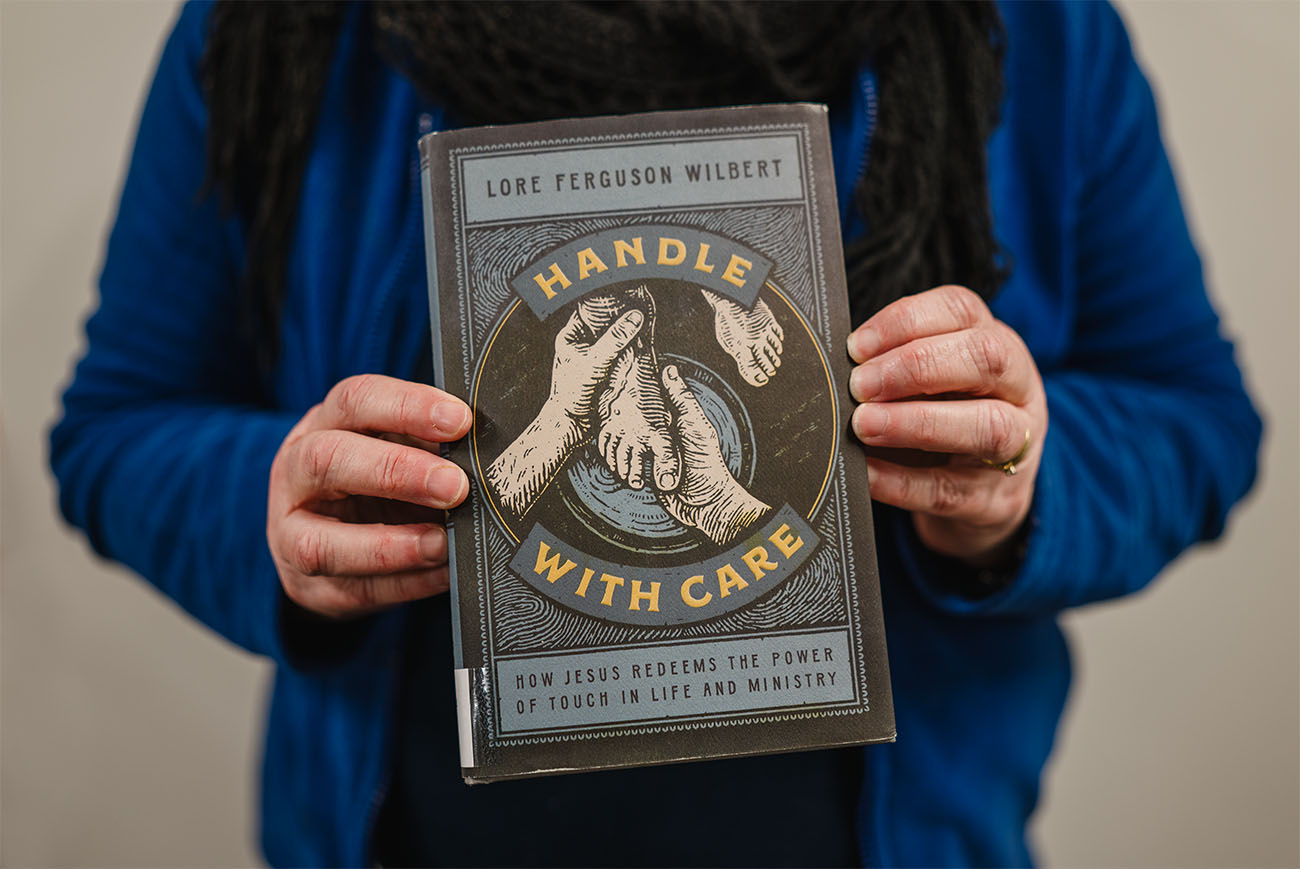
Recently I read Baby Boomers and Beyond: Tapping the Ministry Talents and Passions of Adults over 50 by Amy Hanson. In it, Amy invites us into new ways to embrace older adults in our churches and beyond. Seeing the potential of these people as they grow older is important to their wellbeing and to the populace. This book allowed me to better understand the people in front of me in elder care and chaplaincy.
Published in 2010, Baby Boomers and Beyond is now 15 years old, so the “over 50” category now includes much of Gen X as well. Even so, the insights on each age group and generation are still relevant now.
One of the chapters that stood out dealt with the myths of ageing. These myths are still spread around today, though they are long overdue debunking.
Amy says (referencing Linda Woolf) that “the greatest limitation facing older adults is not mental or physical handicaps but the negative stereotypes that exist regarding ageing”.1
I wonder if these mythical stereotypes are reinforced not only by society in general, but also by older people themselves?
We often use 1 Timothy 4:12 to encourage our young people not to let their age affect the calling God has placed on them – “Don’t let anyone look down on you because you are young, but set an example for the believers”. Amy Hanson suggests that, if Paul were to visit our churches today, he might say, “Do not let anyone look down on you because you are older”!
We will have a hard time making an impact in elder care if we don’t re-examine some of the stereotypes that often influence the way we perceive the people we care for. So let’s have a look at a few of the common myths.
There’s a common misconception that older people can’t handle change. “Back in my day…”
However, studies show no strong correlation between age and attitude toward change. More relevant factors are a person’s temperament and how change has affected other parts of their life.
Ageing is a season of loss. Loss of spouse, friends, siblings, home, health, movement and driver’s licence. When we experience multiple losses, we try to hold onto something that is constant. For many people, church has tended to be that constant safe space. Sometimes, sensitivity around that can lead to tension when change happens at church.
Nathan Hughes, formerly a social services enabler for our diocese, wrote his master’s thesis on resistance to change in churches. In his blog, “Dear Local Legend”, he writes this lovely description of building relationships that make change survivable: it “doesn’t come from good strategy or slick communication. It’s built slowly, over cups of tea, hospital visits, and honest conversations.”2
So how can we help? Listen to their feelings. Attempt to understand their lives. Communicate constantly, talking and listening. What may look like resistance to change may actually be a reaction to feeling unheard and left out.
Involve older adults in ministry rather than just giving them a social activity – give them a place to contribute. Actively engaged people are more apt to accept change. These hints are important when we have to help family members make changes in living accommodation: make them part of the process.
Young people can bring fresh ideas and energy to a role that society often does not think older people can match.
Physical endurance may decline, and time and labour do need to be considered, but older people bring a wealth of experience. They tend to be loyal and stable. The knowledge, skills and patience the older person brings adds to development of teams. Amy even notes that new research is showing that brains become more creative with age!3
Psalm 92 celebrates the work of the righteous into old age:
But the godly will flourish like palm tree
and grow strong like the cedars of Lebanon.
For they are transplanted to the Lord’s own house.
They flourish in the courts of our God.
Even in old age they will still produce fruit;
they will remain vital and green.
They will declare, “The Lord is just!
He is my rock!
There is no evil in him!”
Psalm 92:12-15
Here we see the continuing vitality and productivity of those in their later years.
So how can we help? It’s all about finding the right opportunity for people to share their skills and experience in work, ministry and beyond.
Recently, I suggested to a chaplain that she might attend a workshop at the hospice. She immediately turned to her busy schedule to see how she might fit it in. I am humbled by the work that the rest home chaplains do, most of whom are over 70, balancing family and multiple volunteering commitments.
“You can’t teach an old dog new tricks,” they say!
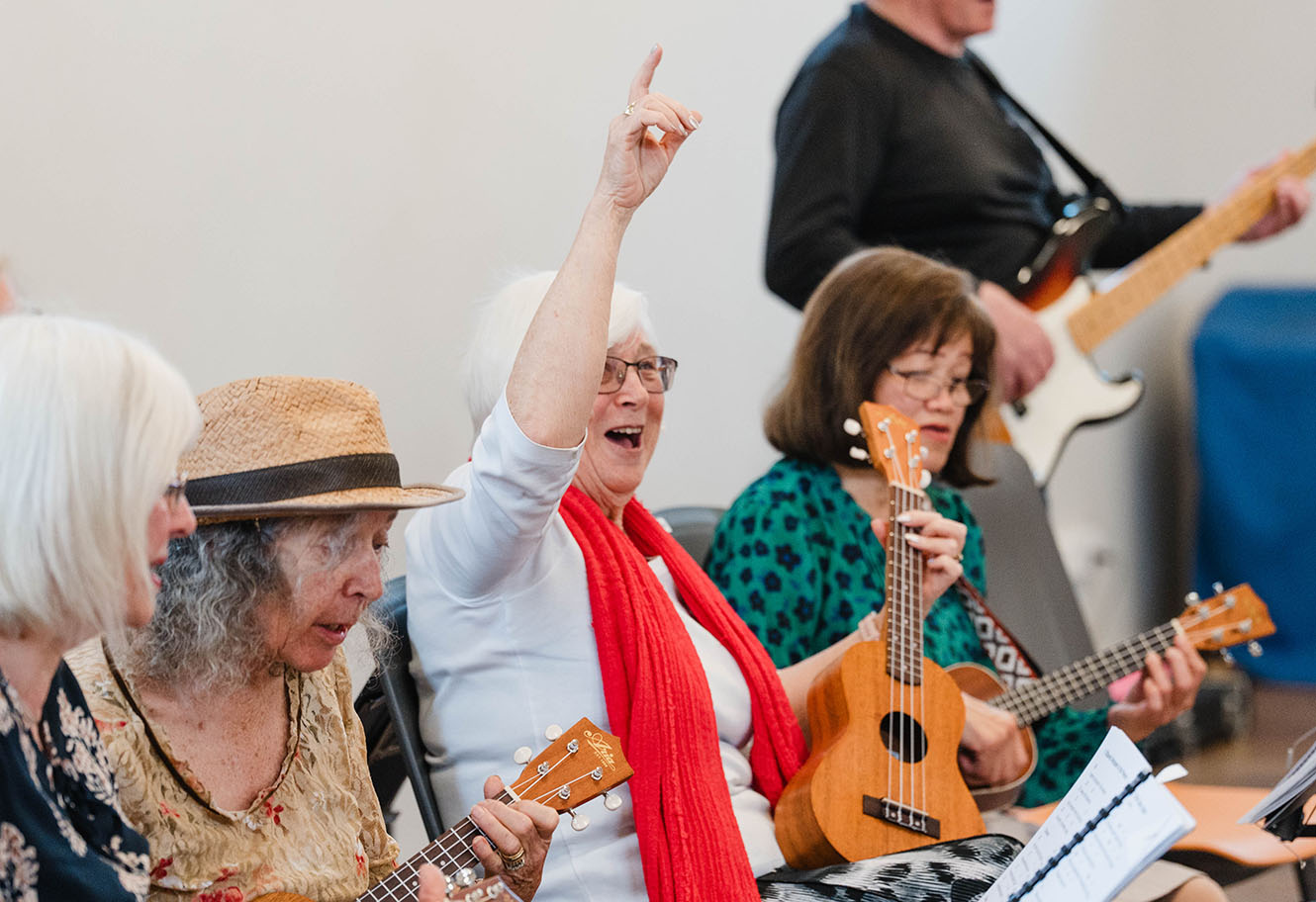
Connections may take longer for an older person, but they still happen. We learn new things throughout our entire lives, all the way to the end.
People learn best when they are motivated to learn. In a recent interview about her book, Amy talks about how many older adults thought they couldn’t learn new technology – then the Covid pandemic happened, and they were much more motivated to learn to stay in touch. Many learned how to text, video call, and so on.4
So how can we help? We let older people learn at their pace – reaction time can decline with age, so they may need a little more time to process.
Physical changes in hearing and vision need to be considered too. It’s hard to learn something you can’t see or hear! We might want to use microphones, offer hearing aids, and ensure that presentations with written words are using large, legible text.
Recently an 80-year-old friend was inspired by a discussion we had. She said she would create a play based on it. A few days later, I received a video, edited with cartoon avatars to portray each character, text on the screen at certain points, and music playing gently throughout. So not just the script, but the whole final product. Age is definitely not a stop to learning new skills! I am afraid I am not that adventurous.
A purpose and a willingness will allow us all to integrate across the ages and keep being vital and productive. Amy says that getting old is a God-ordained season and brings great opportunity for growth, and I agree.
As we start the year, ask yourself this: What is something different you could do to change another’s life and serve our Lord Jesus Christ?
If you have reached a senior age, you have a wealth of experience and wisdom to share! You might consider being part of a social group that serves others through company and conversation, becoming a chaplain in your area, joining the local Menzshed, volunteering at a local church ministry, doing a short-term mission or becoming a surrogate grandparent to a young person. Take heart in knowing that you are so valuable.
If you don’t have as many years behind you, you might like to consider adopting a grandparent! Older people have fascinating stories to share.
Let us all review the myths and stereotypes that need debunking this year and take action.
Baby Boomers and Beyond is available at the Bishop Sutton Library at Bishopdale College.
1 Baby Boomers and Beyond, page 16
2 Nathan Hughes, "Myth 3: You can’t teach an old dog new tricks", Dear Local Legend, Perohuka Coaching
3 Baby Boomers and Beyond, page 23
4 "Dr. Amy Hanson", Winter Grace Senior Ministries
Check out other articles in the
series below.
More articles in the
series are to come.
We have invited these writers to share their experiences, ideas and opinions in the hope that these will provoke thought, challenge you to go deeper and inspire you to put your faith into action. These articles should not be taken as the official view of the Nelson Diocese on any particular matter.
Recently I read Baby Boomers and Beyond: Tapping the Ministry Talents and Passions of Adults over 50 by Amy Hanson. In it, Amy invites us into new ways to embrace older adults in our churches and beyond. Seeing the potential of these people as they grow older is important to their wellbeing and to the populace. This book allowed me to better understand the people in front of me in elder care and chaplaincy.
Published in 2010, Baby Boomers and Beyond is now 15 years old, so the “over 50” category now includes much of Gen X as well. Even so, the insights on each age group and generation are still relevant now.
One of the chapters that stood out dealt with the myths of ageing. These myths are still spread around today, though they are long overdue debunking.
Amy says (referencing Linda Woolf) that “the greatest limitation facing older adults is not mental or physical handicaps but the negative stereotypes that exist regarding ageing”.1
I wonder if these mythical stereotypes are reinforced not only by society in general, but also by older people themselves?
We often use 1 Timothy 4:12 to encourage our young people not to let their age affect the calling God has placed on them – “Don’t let anyone look down on you because you are young, but set an example for the believers”. Amy Hanson suggests that, if Paul were to visit our churches today, he might say, “Do not let anyone look down on you because you are older”!
We will have a hard time making an impact in elder care if we don’t re-examine some of the stereotypes that often influence the way we perceive the people we care for. So let’s have a look at a few of the common myths.
There’s a common misconception that older people can’t handle change. “Back in my day…”
However, studies show no strong correlation between age and attitude toward change. More relevant factors are a person’s temperament and how change has affected other parts of their life.
Ageing is a season of loss. Loss of spouse, friends, siblings, home, health, movement and driver’s licence. When we experience multiple losses, we try to hold onto something that is constant. For many people, church has tended to be that constant safe space. Sometimes, sensitivity around that can lead to tension when change happens at church.
Nathan Hughes, formerly a social services enabler for our diocese, wrote his master’s thesis on resistance to change in churches. In his blog, “Dear Local Legend”, he writes this lovely description of building relationships that make change survivable: it “doesn’t come from good strategy or slick communication. It’s built slowly, over cups of tea, hospital visits, and honest conversations.”2
So how can we help? Listen to their feelings. Attempt to understand their lives. Communicate constantly, talking and listening. What may look like resistance to change may actually be a reaction to feeling unheard and left out.
Involve older adults in ministry rather than just giving them a social activity – give them a place to contribute. Actively engaged people are more apt to accept change. These hints are important when we have to help family members make changes in living accommodation: make them part of the process.
Young people can bring fresh ideas and energy to a role that society often does not think older people can match.
Physical endurance may decline, and time and labour do need to be considered, but older people bring a wealth of experience. They tend to be loyal and stable. The knowledge, skills and patience the older person brings adds to development of teams. Amy even notes that new research is showing that brains become more creative with age!3
Psalm 92 celebrates the work of the righteous into old age:
But the godly will flourish like palm tree
and grow strong like the cedars of Lebanon.
For they are transplanted to the Lord’s own house.
They flourish in the courts of our God.
Even in old age they will still produce fruit;
they will remain vital and green.
They will declare, “The Lord is just!
He is my rock!
There is no evil in him!”
Psalm 92:12-15
Here we see the continuing vitality and productivity of those in their later years.
So how can we help? It’s all about finding the right opportunity for people to share their skills and experience in work, ministry and beyond.
Recently, I suggested to a chaplain that she might attend a workshop at the hospice. She immediately turned to her busy schedule to see how she might fit it in. I am humbled by the work that the rest home chaplains do, most of whom are over 70, balancing family and multiple volunteering commitments.
“You can’t teach an old dog new tricks,” they say!
Connections may take longer for an older person, but they still happen. We learn new things throughout our entire lives, all the way to the end.
People learn best when they are motivated to learn. In a recent interview about her book, Amy talks about how many older adults thought they couldn’t learn new technology – then the Covid pandemic happened, and they were much more motivated to learn to stay in touch. Many learned how to text, video call, and so on.4
So how can we help? We let older people learn at their pace – reaction time can decline with age, so they may need a little more time to process.
Physical changes in hearing and vision need to be considered too. It’s hard to learn something you can’t see or hear! We might want to use microphones, offer hearing aids, and ensure that presentations with written words are using large, legible text.
Recently an 80-year-old friend was inspired by a discussion we had. She said she would create a play based on it. A few days later, I received a video, edited with cartoon avatars to portray each character, text on the screen at certain points, and music playing gently throughout. So not just the script, but the whole final product. Age is definitely not a stop to learning new skills! I am afraid I am not that adventurous.
A purpose and a willingness will allow us all to integrate across the ages and keep being vital and productive. Amy says that getting old is a God-ordained season and brings great opportunity for growth, and I agree.
As we start the year, ask yourself this: What is something different you could do to change another’s life and serve our Lord Jesus Christ?
If you have reached a senior age, you have a wealth of experience and wisdom to share! You might consider being part of a social group that serves others through company and conversation, becoming a chaplain in your area, joining the local Menzshed, volunteering at a local church ministry, doing a short-term mission or becoming a surrogate grandparent to a young person. Take heart in knowing that you are so valuable.
If you don’t have as many years behind you, you might like to consider adopting a grandparent! Older people have fascinating stories to share.
Let us all review the myths and stereotypes that need debunking this year and take action.
Baby Boomers and Beyond is available at the Bishop Sutton Library at Bishopdale College.
Check out other articles in the
series below.
More articles in the
series are to come.