Over the last several years, we’ve been on quite a journey, haven’t we?
Four years ago, we acknowledged a hole in our bucket. We faced our difficult realities: declining attendance, aging congregations, increasing secularisation, and a growing disconnect between many churches and the communities around them. The call was not to despair, but to honestly face our reality.
Three years ago, we lifted our eyes to the hope in the boat. The storms had not passed, but Jesus was still present. Through the early days of Revitalise Nelson, we were reminded that our future depends less on our circumstances and more on the faithfulness of Christ.
Two years ago, we looked to see a harvest in the basket. We recognised that many people around us remain spiritually curious, hungry for meaning, searching for hope, and open to the gospel – and we responded with the Haere Mai project.
Last year, we reflected on the kind of people needed to sustain renewal. We spoke of hearts that burn. Like the disciples on the road to Emmaus, we prayed that our hearts would be set ablaze by Christ through Scripture, prayer, worship, and the Holy Spirit’s work. We recognised that lasting revitalisation requires transformed disciples.
And now, in 2026, a new challenge emerges. The challenge of how we must work together more closely, share our resources more intentionally, and have a culture, heart and mind shift about what it means to be co-workers in the same mission.
As we face the pressures of both new restrictions and new growth, what does it mean for our church to be one body and to function in a healthy way?
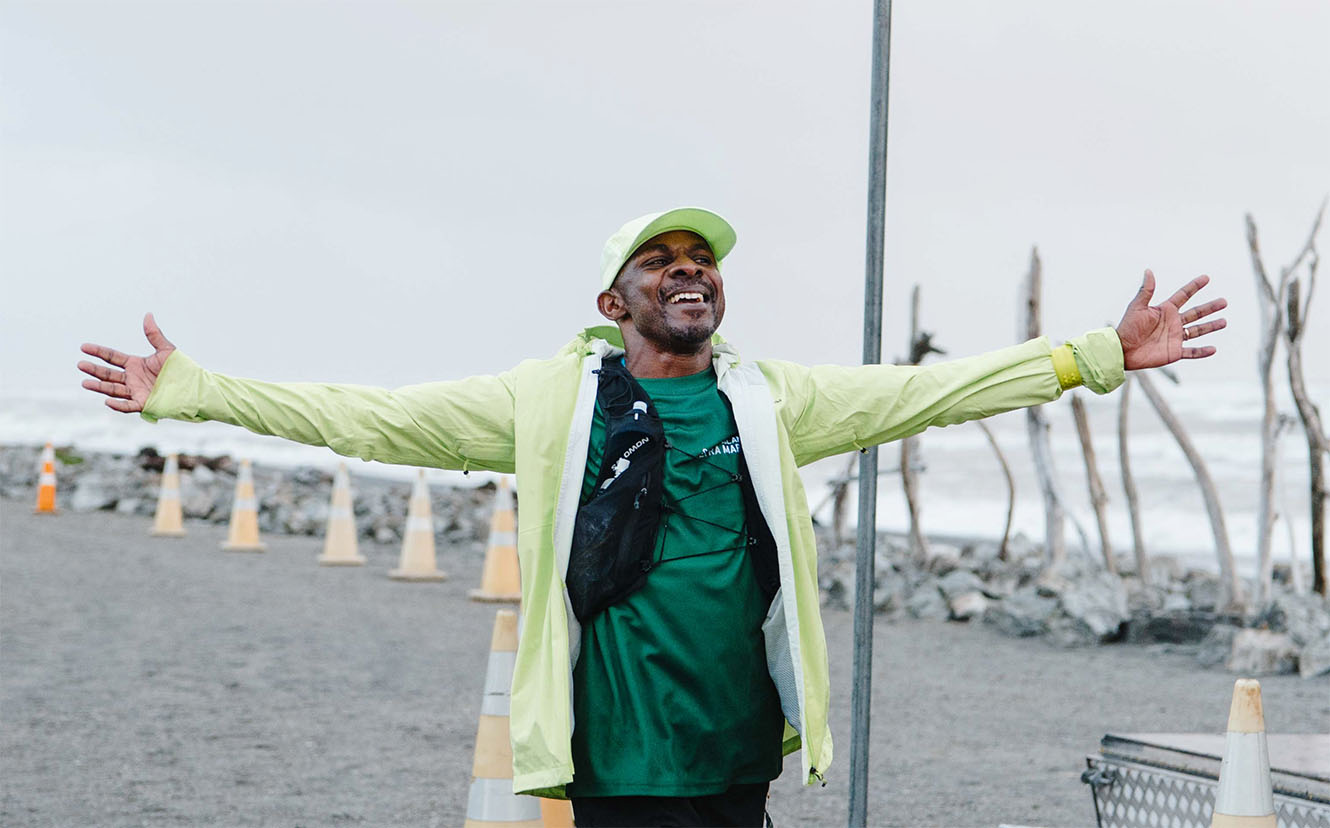
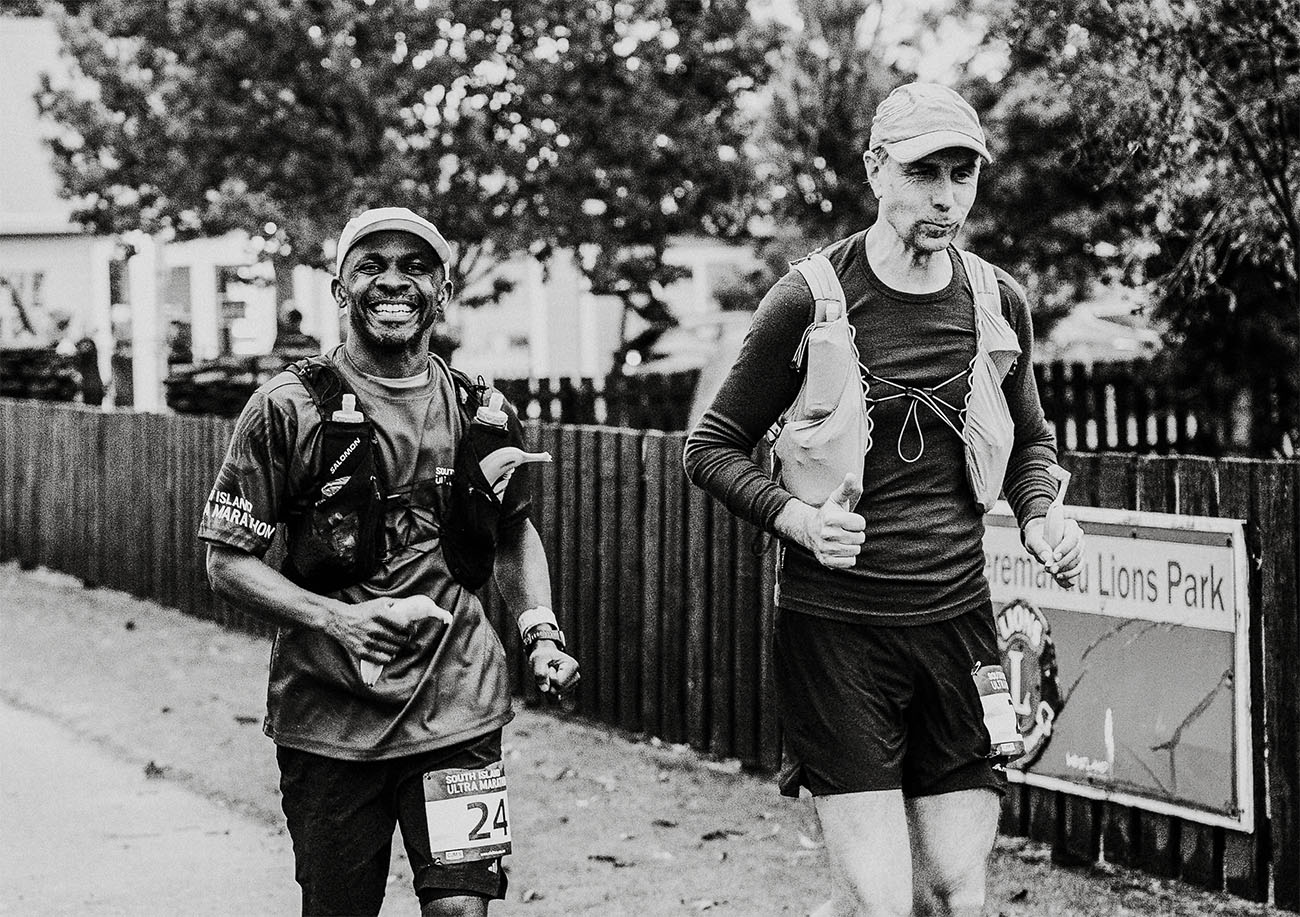
When I ran the Dunedin Marathon recently, we faced long stretches of running into a strong headwind along the Otago Peninsula. On my own, I felt the full force of it. I could feel my energy being drained as I tried to face it alone.
But the runners around me began to form a group – one person moved to the front while the others tucked in behind to reduce wind resistance – a technique runners call drafting. When someone got tired, someone else would take a turn. Together, we were able to hold a pace none of us could have sustained alone.
Everyone contributed. Everyone received.
And today I’m suggesting that if we’re going to run the long race in our diocese, we need to stop running individual races and start thinking more like those runners who worked together.
One of the joys of the Christian life is that no one follows Jesus alone. Paul describes us as being adopted into God's family and the Body of Christ, the Church. We belong to one another because we all belong to Christ.
In a similar way, we are not independent parishes going it alone. We are local expressions of the Body of Christ, joined spiritually and relationally to one another. We are interdependent, we share the load, and we move together under Christ. None of us was meant to face the headwind alone.
In Anglican ecclesiology, it is us as the diocese together that is understood to be the primary expression of the local Church for one region. The diocese is not some head office, and it’s certainly not about a bishop bossing people about. No! My friends – together – we are the diocese. Together we take on the responsibility and mission of being the Church in the top of the South.
Just like a body has systems to monitor and respond to the needs of the whole – a diocese is able to help the right resources get to the places across an entire region. This means parishes are not self-contained silos but are connected to one another through a shared life and purpose, ensuring that a faithful Christian presence is sustained in every corner of our region, in different forms.
Now, I think that’s great news! Because Jesus came to proclaim good news to the poor and the affluent, and he commissioned us to make disciples everywhere, in towns and cities, and on farms and in villages.
We are God’s number one strategy for this part of his mission field.
The gifts we need are sitting in our pews. The experience we need is present in our congregations. The wisdom we need is distributed throughout this diocese. The Spirit has already supplied what the Body requires.
But we do need to start working together for the whole – not just the parts.
Our challenge as the Nelson Diocese is to learn how to live into this reality of one Body and to address where our structures, culture and habits restrict our flourishing together in the gospel.
Paul consistently uses this image of the body when describing the Church. In Romans 12, 1 Corinthians 12, and Ephesians 4, he reminds believers that we belong to one another. We are diverse in gifts, personality, culture, tradition, and ministry, but united in Christ.
When one part flourishes, the whole body benefits.
When one part is neglected, the whole body becomes weaker.
And so, if one of our parishes experiences renewal, other parishes should rejoice. And if one of our rural churches struggles, other churches should be concerned. We belong to one another.
And so I want to name five marks of what it means for us to be a healthy Body of Christ.
Paul writes in Ephesians 4:15 that we are to grow up into Christ, "who is the head".
The first mark of health is not activity. It is not busyness. It is not visibility. The first mark of health is submission to Jesus Christ.
Every healthy body takes its direction from its head.
The brain accounts for only about 2% of body weight, yet it coordinates every major bodily function. Every healthy movement of the body begins with the head. Everything responds to signals from our brains.
Similarly, every healthy movement within the Church starts with Christ. Our challenge is not to become busier churches but better listeners.
The question before every parish is therefore simple:
Are we becoming more responsive to the leading of Jesus?
Healthy churches listen to the voice of the Good Shepherd.
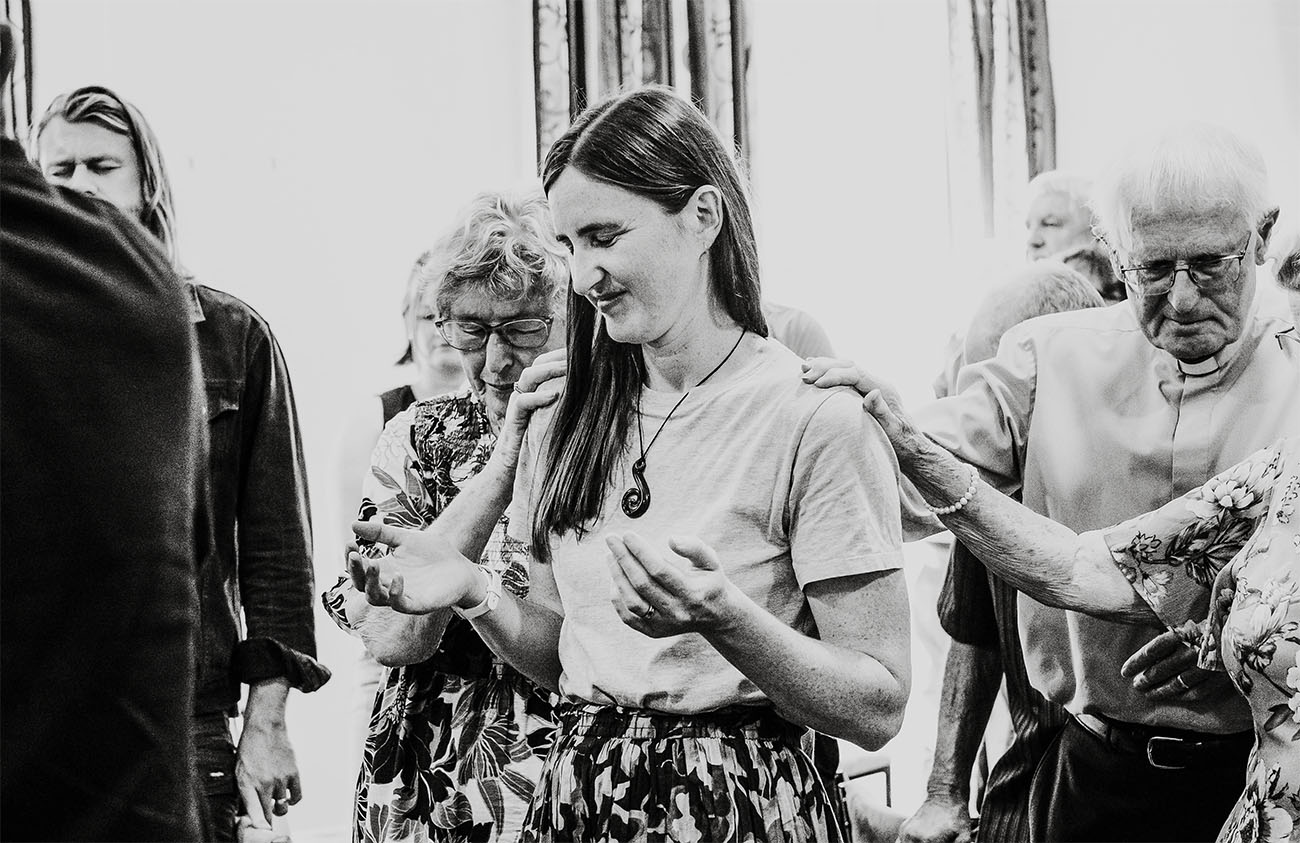
Healthy churches pray.
Healthy churches ask not merely, "What do we want?" or ” but "What is Christ calling us to become?"
If Jesus is truly the Head of our Church, then listening to his guidance is the most important thing we can do.
One of Paul’s most profound observations in 1 Corinthians 12 is that no part of the body can say to another, “I don't need you.”
I think this may be one of the most important lessons for our diocese in the coming season.
We have inherited a culture that often celebrates independence and have used terms like sustainability to mean “on your own”. Yet the New Testament describes something different. Churches are called to mutual dependence.
The earliest churches shared leadership, testimonies, resources, encouragement, and mission across geographical and cultural boundaries. They understood that their health and effectiveness depended not only on the strength of individual congregations but also on their connectedness to the wider body.
As a diocese, we too are called to resist isolation and embrace interdependence, recognising that we are stronger, wiser, and more fruitful when we learn from one another and support one another in God's mission.
All of our parishes have something they can give to others, and something they need to receive from others.
Rather than a posture that feels the need to protect what we have, what might it look like to instead see what God has entrusted to us is to be shared?
Instead of asking, “How do we protect our resources?” can we begin asking, “How can our strengths strengthen others?”
Because we are one family in Christ. We are in this boat together.
A healthy body operates through reciprocity. Everyone contributes. Everyone receives.
Can we move beyond our idol of Western individualism to a more biblical understanding where we care for the whole? I believe we can! And I believe in this season we must.
In 1962, President Kennedy visited NASA and came across a janitor carrying a broom. He stopped and asked, “What are you doing?” The janitor didn't say, “I'm sweeping the floor.” He said, “Mr President, I'm helping put a man on the moon.”
I love that story because it reminds me of Paul's words in Romans 12:6 that each member has different gifts according to the grace given to them.
The moon landing wasn't just the work of astronauts and engineers. It was the work of everyone. The person holding the broom was as committed to the mission as the person designing the rocket. The janitor understood that a dirty floor could pose safety hazards and disrupt the work needed to put a man on the moon.
The same is true in our diocese. It’s easy to notice the work of our clergy, wardens, preachers, and worship leaders. But the mission of God also depends on those who quietly pray, welcome people at the door, serve on vestries, care for buildings, balance accounts, teach children, serve morning teas, and visit the lonely – week after week after week.
And a healthy body is one where every part knows it matters, every part is valued, and every part plays its role in God's mission.
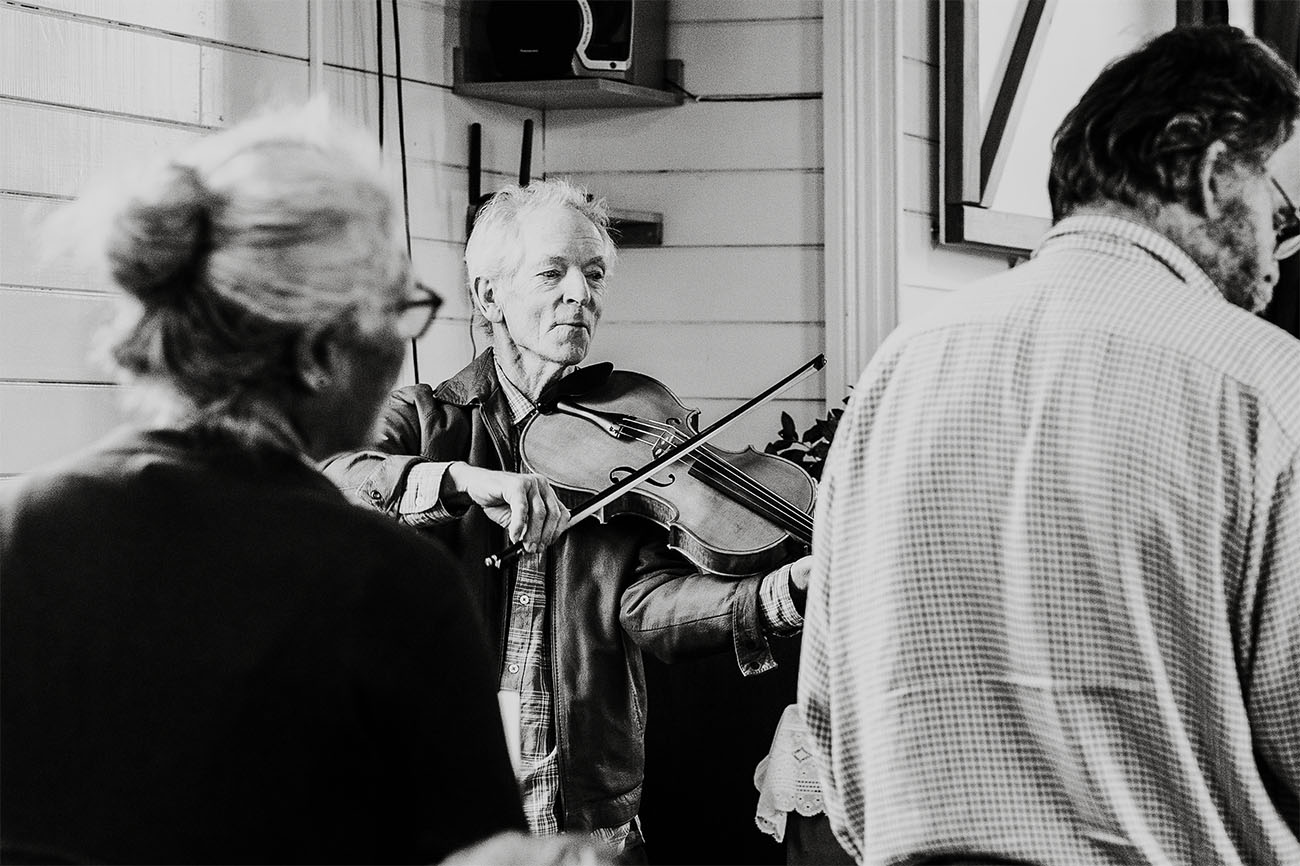
This is one of the most liberating truths in the New Testament.
Nobody has every gift. But everybody has some gift.
And the goal of biblical leadership is not for clergy and a few super-leaders to do all the ministry, but for everyone to be equipped to play their part.
Some are gifted as shepherds, evangelists, teachers, administrators.
Some are gifted as prayers, cup of tea makers, fence painters, and vacuum cleaners.
Some are gifted as bass players, fundraisers, prayer warriors, Sunday school teachers, and lawn mowers.
Every gift matters. And right now we need every gift that God has given us – so I invite you to step up and contribute what God has given you for the good of the whole Body! Don’t be shy.
Why must we play our part?
Paul, in Ephesians 4:12-13, tells us that God's purpose in giving us different gifts is for the Church to grow and mature in Christ.
Healthy things grow. But growth is not only about numbers.
A healthy diocese is not simply producing attendees. It’s forming disciples.
People who know Scripture and pray
People who serve and forgive.
People who embody the character of Christ, and the fruit of the Spirit.
Programmes and events are important, but only discipleship produces maturity.
This is especially important for rural and smaller parishes. Long-term health will require ministry models that are sustainable, reproducible, and rooted in local discipleship rather than dependence on a few heroic individuals.
Our goal is mature Christians, not simply bigger churches.
How are you playing your part in making disciples and helping others mature in Christ?
When I run, my body directs more blood and oxygen to my leg muscles because they need extra support to keep moving. Without the circulatory system coordinating this, my legs would tire quickly and I would be unable to run effectively.
A healthy body relies on systems, such as the nervous system, that coordinate support and resources, ensuring every part receives what it needs to contribute to the mission of the whole.
In the same way, the diocese helps direct resources, leadership, and support to the parts of the Church that need them most, enabling the whole Body to carry out the mission of Christ.
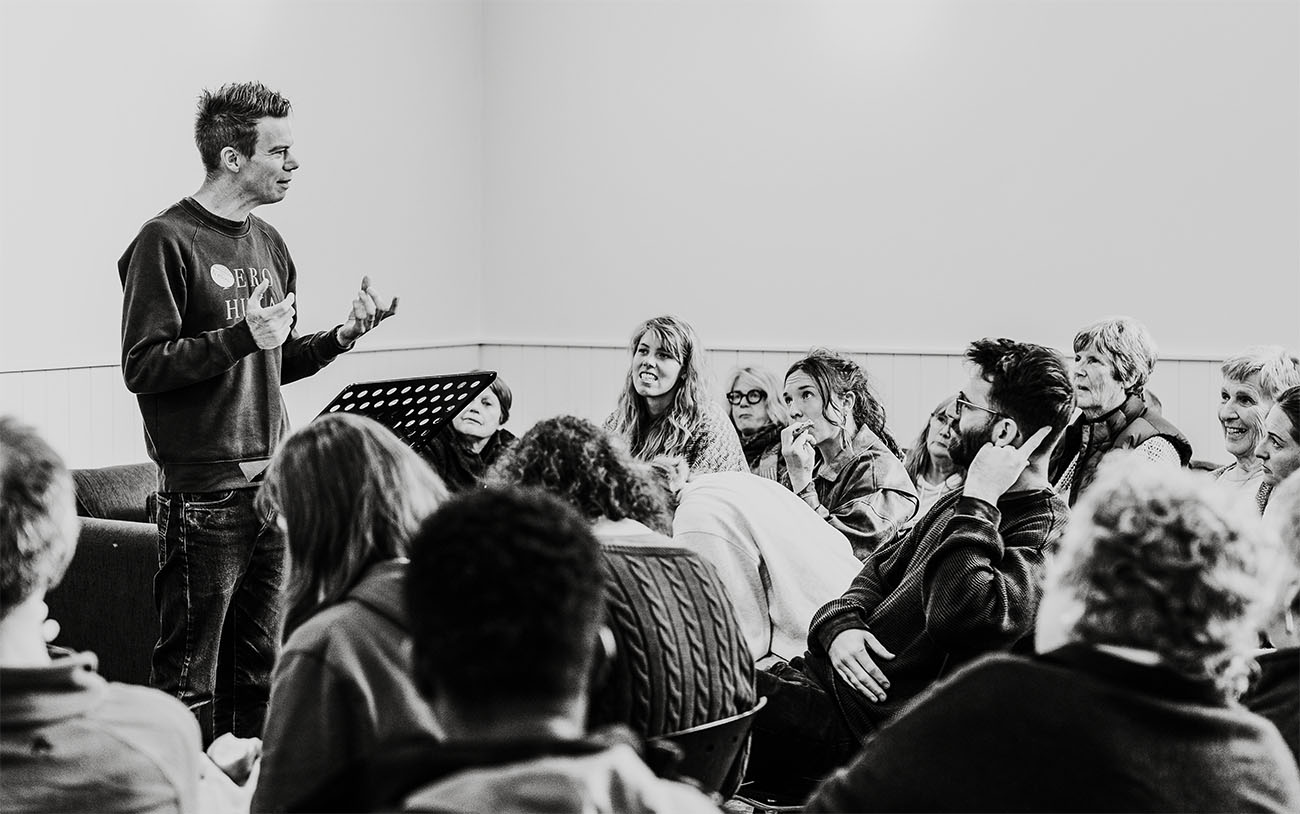
Like connective tissue that holds the body together (Eph 4:16), the diocese supports and unites parishes so they can function as one body.
Just as cells communicate through chemical and electrical signals to keep the body healthy, the diocese enables communication and cooperation across the Church. Without a healthy system, the different parts would struggle to work together, just as a body cannot function properly if its messages don't get through.
Finally, Paul says something remarkable in 1 Corinthians 12.
The parts of the body that seem weaker are indispensable.
When you cut your finger, your body doesn't say, “That's not my problem.” It mobilises energy and attention towards the wound. The healthy body instinctively moves toward weakness.
A few years ago, I hurt my pinky toe by knocking it against the bed frame. It seemed like a minor injury – after all it’s just a toe, and the smallest toe. To avoid pain, I changed how I landed with each step, which shifted my foot position. This, in turn, affected my ankle, then my knee, hip, and overall posture. Over time, I developed back pain and my running form declined, setting me back several months. This shows how even a small injury can disrupt the entire kinetic chain.
Paul says the Church works exactly the same way. When one member struggles, a ministry weakens, or a parish suffers, the effects ripple through the whole body. Therefore, a healthy diocese moves towards weakness with attention, honour, and practical support.
A healthy diocese does not ignore struggling congregations or overlook isolated leaders. It does not neglect rural communities. It does not leave economically challenged parishes to face their challenges alone. It pays special attention to them.
This principle calls us to a deeper culture of generosity and of heartfelt concern for those beyond our own neighbourhoods and parishes.
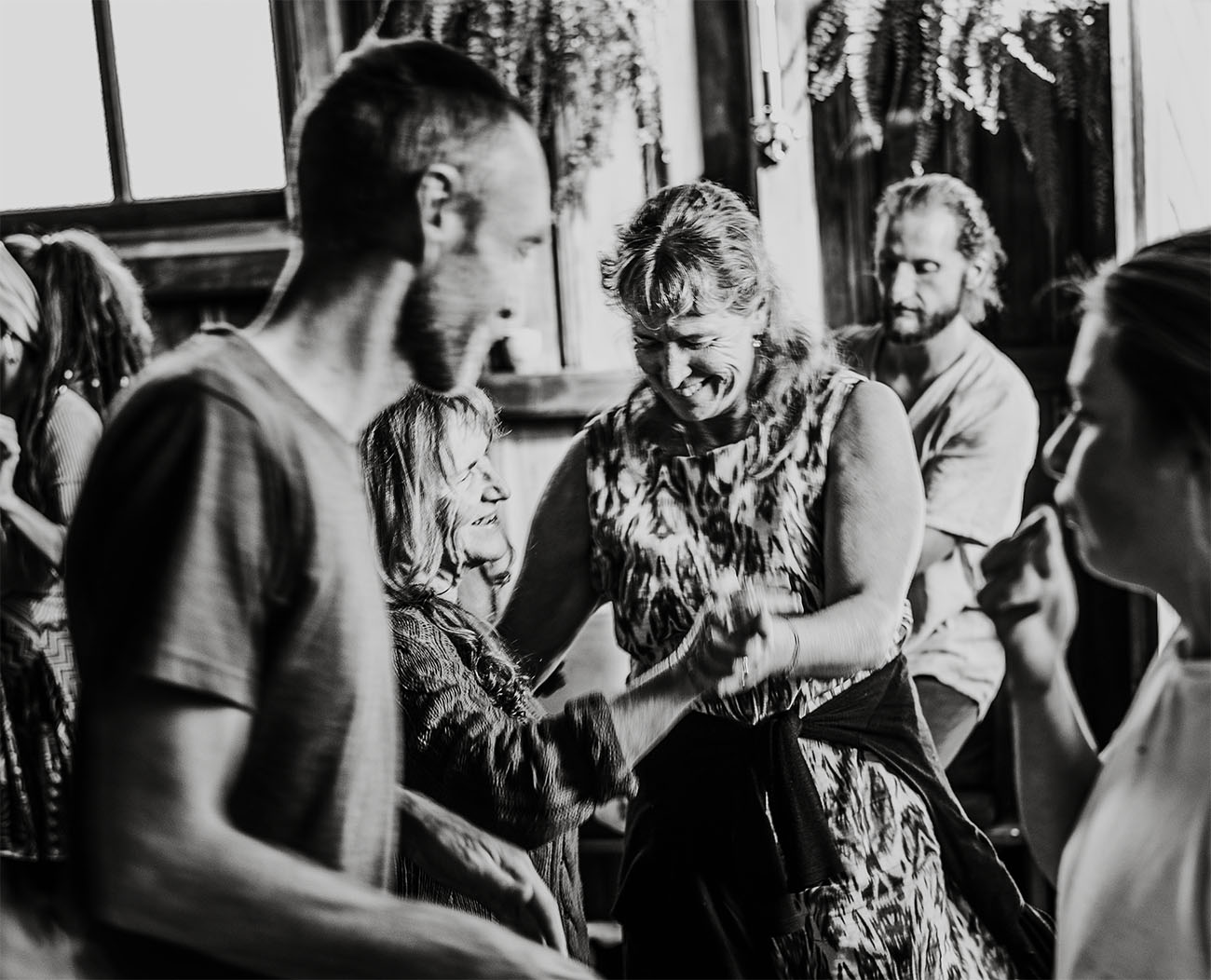
And that’s because healthy churches do not behave like reservoirs, but instead they are like rivers. They share encouragement and hope, leaders and resources.
Not just in our own communities, but even further afield. I long to see our Tikanga Māori partners in Te Waipounamu flourish under the leadership of Pīhopa Susan Wallace. I long to see us better support the parishes who are part of the Community of St Mark across the motu.
So may we move towards those who feel lonely and forgotten, those who are struggling and hurting.
I’m inviting us to more radically consider what we need to tangibly do to become a healthy Body of Christ.
A diocese where Christ is truly the Head.
A diocese where resources flow between us more freely and parishes depend upon one another.
A diocese where every member’s gifts contribute to the growth and maturity of the whole.
A diocese where our communication and connectivity system works promotes unity.
A diocese where the Body protects its vulnerable parts and our weaker parts receive special honour.
Because the time of looking after our own patch, and looking after our own best interests must come to an end. We simply can’t afford to keep doing things how we’ve been doing them.
Why don't you spend some time reflecting:
Check out other articles in the
series below.
More articles in the
series are to come.
We have invited these writers to share their experiences, ideas and opinions in the hope that these will provoke thought, challenge you to go deeper and inspire you to put your faith into action. These articles should not be taken as the official view of the Nelson Diocese on any particular matter.
Over the last several years, we’ve been on quite a journey, haven’t we?
Four years ago, we acknowledged a hole in our bucket. We faced our difficult realities: declining attendance, aging congregations, increasing secularisation, and a growing disconnect between many churches and the communities around them. The call was not to despair, but to honestly face our reality.
Three years ago, we lifted our eyes to the hope in the boat. The storms had not passed, but Jesus was still present. Through the early days of Revitalise Nelson, we were reminded that our future depends less on our circumstances and more on the faithfulness of Christ.
Two years ago, we looked to see a harvest in the basket. We recognised that many people around us remain spiritually curious, hungry for meaning, searching for hope, and open to the gospel – and we responded with the Haere Mai project.
Last year, we reflected on the kind of people needed to sustain renewal. We spoke of hearts that burn. Like the disciples on the road to Emmaus, we prayed that our hearts would be set ablaze by Christ through Scripture, prayer, worship, and the Holy Spirit’s work. We recognised that lasting revitalisation requires transformed disciples.
And now, in 2026, a new challenge emerges. The challenge of how we must work together more closely, share our resources more intentionally, and have a culture, heart and mind shift about what it means to be co-workers in the same mission.
As we face the pressures of both new restrictions and new growth, what does it mean for our church to be one body and to function in a healthy way?
When I ran the Dunedin Marathon recently, we faced long stretches of running into a strong headwind along the Otago Peninsula. On my own, I felt the full force of it. I could feel my energy being drained as I tried to face it alone.
But the runners around me began to form a group – one person moved to the front while the others tucked in behind to reduce wind resistance – a technique runners call drafting. When someone got tired, someone else would take a turn. Together, we were able to hold a pace none of us could have sustained alone.
Everyone contributed. Everyone received.
And today I’m suggesting that if we’re going to run the long race in our diocese, we need to stop running individual races and start thinking more like those runners who worked together.
One of the joys of the Christian life is that no one follows Jesus alone. Paul describes us as being adopted into God's family and the Body of Christ, the Church. We belong to one another because we all belong to Christ.
In a similar way, we are not independent parishes going it alone. We are local expressions of the Body of Christ, joined spiritually and relationally to one another. We are interdependent, we share the load, and we move together under Christ. None of us was meant to face the headwind alone.
In Anglican ecclesiology, it is us as the diocese together that is understood to be the primary expression of the local Church for one region. The diocese is not some head office, and it’s certainly not about a bishop bossing people about. No! My friends – together – we are the diocese. Together we take on the responsibility and mission of being the Church in the top of the South.
Just like a body has systems to monitor and respond to the needs of the whole – a diocese is able to help the right resources get to the places across an entire region. This means parishes are not self-contained silos but are connected to one another through a shared life and purpose, ensuring that a faithful Christian presence is sustained in every corner of our region, in different forms.
Now, I think that’s great news! Because Jesus came to proclaim good news to the poor and the affluent, and he commissioned us to make disciples everywhere, in towns and cities, and on farms and in villages.
We are God’s number one strategy for this part of his mission field.
The gifts we need are sitting in our pews. The experience we need is present in our congregations. The wisdom we need is distributed throughout this diocese. The Spirit has already supplied what the Body requires.
But we do need to start working together for the whole – not just the parts.
Our challenge as the Nelson Diocese is to learn how to live into this reality of one Body and to address where our structures, culture and habits restrict our flourishing together in the gospel.
Paul consistently uses this image of the body when describing the Church. In Romans 12, 1 Corinthians 12, and Ephesians 4, he reminds believers that we belong to one another. We are diverse in gifts, personality, culture, tradition, and ministry, but united in Christ.
When one part flourishes, the whole body benefits.
When one part is neglected, the whole body becomes weaker.
And so, if one of our parishes experiences renewal, other parishes should rejoice. And if one of our rural churches struggles, other churches should be concerned. We belong to one another.
And so I want to name five marks of what it means for us to be a healthy Body of Christ.
Paul writes in Ephesians 4:15 that we are to grow up into Christ, "who is the head".
The first mark of health is not activity. It is not busyness. It is not visibility. The first mark of health is submission to Jesus Christ.
Every healthy body takes its direction from its head.
The brain accounts for only about 2% of body weight, yet it coordinates every major bodily function. Every healthy movement of the body begins with the head. Everything responds to signals from our brains.
Similarly, every healthy movement within the Church starts with Christ. Our challenge is not to become busier churches but better listeners.
The question before every parish is therefore simple:
Are we becoming more responsive to the leading of Jesus?
Healthy churches listen to the voice of the Good Shepherd.
Healthy churches pray.
Healthy churches ask not merely, "What do we want?" or ” but "What is Christ calling us to become?"
If Jesus is truly the Head of our Church, then listening to his guidance is the most important thing we can do.
One of Paul’s most profound observations in 1 Corinthians 12 is that no part of the body can say to another, “I don't need you.”
I think this may be one of the most important lessons for our diocese in the coming season.
We have inherited a culture that often celebrates independence and have used terms like sustainability to mean “on your own”. Yet the New Testament describes something different. Churches are called to mutual dependence.
The earliest churches shared leadership, testimonies, resources, encouragement, and mission across geographical and cultural boundaries. They understood that their health and effectiveness depended not only on the strength of individual congregations but also on their connectedness to the wider body.
As a diocese, we too are called to resist isolation and embrace interdependence, recognising that we are stronger, wiser, and more fruitful when we learn from one another and support one another in God's mission.
All of our parishes have something they can give to others, and something they need to receive from others.
Rather than a posture that feels the need to protect what we have, what might it look like to instead see what God has entrusted to us is to be shared?
Instead of asking, “How do we protect our resources?” can we begin asking, “How can our strengths strengthen others?”
Because we are one family in Christ. We are in this boat together.
A healthy body operates through reciprocity. Everyone contributes. Everyone receives.
Can we move beyond our idol of Western individualism to a more biblical understanding where we care for the whole? I believe we can! And I believe in this season we must.
In 1962, President Kennedy visited NASA and came across a janitor carrying a broom. He stopped and asked, “What are you doing?” The janitor didn't say, “I'm sweeping the floor.” He said, “Mr President, I'm helping put a man on the moon.”
I love that story because it reminds me of Paul's words in Romans 12:6 that each member has different gifts according to the grace given to them.
The moon landing wasn't just the work of astronauts and engineers. It was the work of everyone. The person holding the broom was as committed to the mission as the person designing the rocket. The janitor understood that a dirty floor could pose safety hazards and disrupt the work needed to put a man on the moon.
The same is true in our diocese. It’s easy to notice the work of our clergy, wardens, preachers, and worship leaders. But the mission of God also depends on those who quietly pray, welcome people at the door, serve on vestries, care for buildings, balance accounts, teach children, serve morning teas, and visit the lonely – week after week after week.
And a healthy body is one where every part knows it matters, every part is valued, and every part plays its role in God's mission.
This is one of the most liberating truths in the New Testament.
Nobody has every gift. But everybody has some gift.
And the goal of biblical leadership is not for clergy and a few super-leaders to do all the ministry, but for everyone to be equipped to play their part.
Some are gifted as shepherds, evangelists, teachers, administrators.
Some are gifted as prayers, cup of tea makers, fence painters, and vacuum cleaners.
Some are gifted as bass players, fundraisers, prayer warriors, Sunday school teachers, and lawn mowers.
Every gift matters. And right now we need every gift that God has given us – so I invite you to step up and contribute what God has given you for the good of the whole Body! Don’t be shy.
Why must we play our part?
Paul, in Ephesians 4:12-13, tells us that God's purpose in giving us different gifts is for the Church to grow and mature in Christ.
Healthy things grow. But growth is not only about numbers.
A healthy diocese is not simply producing attendees. It’s forming disciples.
People who know Scripture and pray
People who serve and forgive.
People who embody the character of Christ, and the fruit of the Spirit.
Programmes and events are important, but only discipleship produces maturity.
This is especially important for rural and smaller parishes. Long-term health will require ministry models that are sustainable, reproducible, and rooted in local discipleship rather than dependence on a few heroic individuals.
Our goal is mature Christians, not simply bigger churches.
How are you playing your part in making disciples and helping others mature in Christ?
When I run, my body directs more blood and oxygen to my leg muscles because they need extra support to keep moving. Without the circulatory system coordinating this, my legs would tire quickly and I would be unable to run effectively.
A healthy body relies on systems, such as the nervous system, that coordinate support and resources, ensuring every part receives what it needs to contribute to the mission of the whole.
In the same way, the diocese helps direct resources, leadership, and support to the parts of the Church that need them most, enabling the whole Body to carry out the mission of Christ.
Like connective tissue that holds the body together (Eph 4:16), the diocese supports and unites parishes so they can function as one body.
Just as cells communicate through chemical and electrical signals to keep the body healthy, the diocese enables communication and cooperation across the Church. Without a healthy system, the different parts would struggle to work together, just as a body cannot function properly if its messages don't get through.
Finally, Paul says something remarkable in 1 Corinthians 12.
The parts of the body that seem weaker are indispensable.
When you cut your finger, your body doesn't say, “That's not my problem.” It mobilises energy and attention towards the wound. The healthy body instinctively moves toward weakness.
A few years ago, I hurt my pinky toe by knocking it against the bed frame. It seemed like a minor injury – after all it’s just a toe, and the smallest toe. To avoid pain, I changed how I landed with each step, which shifted my foot position. This, in turn, affected my ankle, then my knee, hip, and overall posture. Over time, I developed back pain and my running form declined, setting me back several months. This shows how even a small injury can disrupt the entire kinetic chain.
Paul says the Church works exactly the same way. When one member struggles, a ministry weakens, or a parish suffers, the effects ripple through the whole body. Therefore, a healthy diocese moves towards weakness with attention, honour, and practical support.
A healthy diocese does not ignore struggling congregations or overlook isolated leaders. It does not neglect rural communities. It does not leave economically challenged parishes to face their challenges alone. It pays special attention to them.
This principle calls us to a deeper culture of generosity and of heartfelt concern for those beyond our own neighbourhoods and parishes.
And that’s because healthy churches do not behave like reservoirs, but instead they are like rivers. They share encouragement and hope, leaders and resources.
Not just in our own communities, but even further afield. I long to see our Tikanga Māori partners in Te Waipounamu flourish under the leadership of Pīhopa Susan Wallace. I long to see us better support the parishes who are part of the Community of St Mark across the motu.
So may we move towards those who feel lonely and forgotten, those who are struggling and hurting.
I’m inviting us to more radically consider what we need to tangibly do to become a healthy Body of Christ.
A diocese where Christ is truly the Head.
A diocese where resources flow between us more freely and parishes depend upon one another.
A diocese where every member’s gifts contribute to the growth and maturity of the whole.
A diocese where our communication and connectivity system works promotes unity.
A diocese where the Body protects its vulnerable parts and our weaker parts receive special honour.
Because the time of looking after our own patch, and looking after our own best interests must come to an end. We simply can’t afford to keep doing things how we’ve been doing them.
Why don't you spend some time reflecting:
Check out other articles in the
series below.
More articles in the
series are to come.