Lay synod representative: a big title for a big role. But before I talk about what a lay synod representative is, I should define what synod is.
Synod is the official legislative governing body of the diocese – a formal meeting that looks a bit like Parliament – and is directly responsible to and representative of each parish. While synod meetings take place every year, each of them is one of three “sessions” (you’ll find out why I’m mentioning this later). At synod, members carry out important business like deciding on statutes, policies and budgets, receiving reports and appointing synod representatives on other diocesan boards and committees. These members are: the bishop, all licensed clergy, the diocesan chancellor, deanery youth representatives, AAW representatives and, last but not least, parish lay synod representatives.
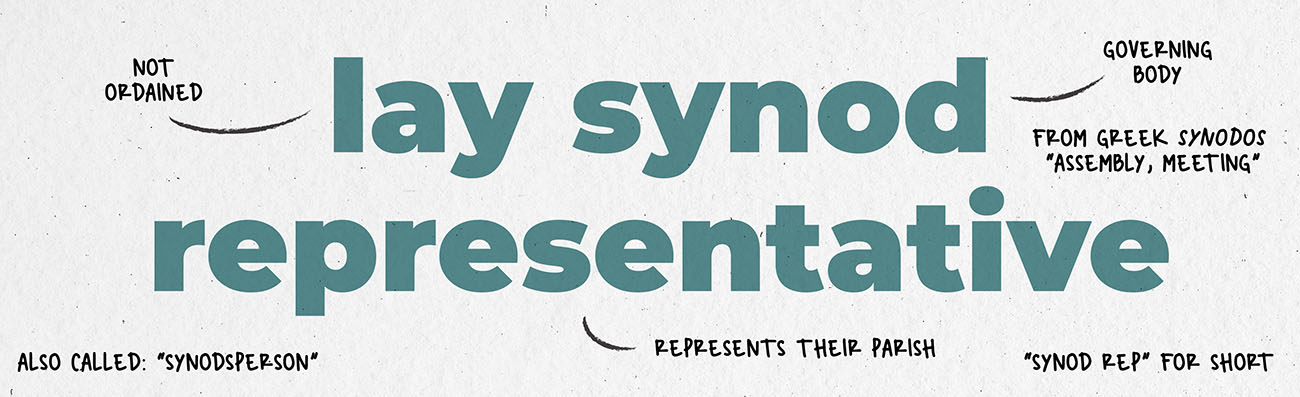
Synod reps are delegated by their parish to represent them at synod. They review and discuss matters with the rest of the members of synod and help make decisions accordingly. According to our statutes, each parish must elect two or three synod reps, depending on their population in proportion to the Nelson Diocese (parishes making up less than five percent of the population have two synod reps, parishes with five percent or more have three synod reps).
Synod reps are also members of vestry. This means, of course, that their responsibilities don’t start and end with the annual synod meeting – they are a key part of parish governance. Along with the vicar, wardens and other vestry members, they meet regularly (usually monthly) to make decisions for the parish.

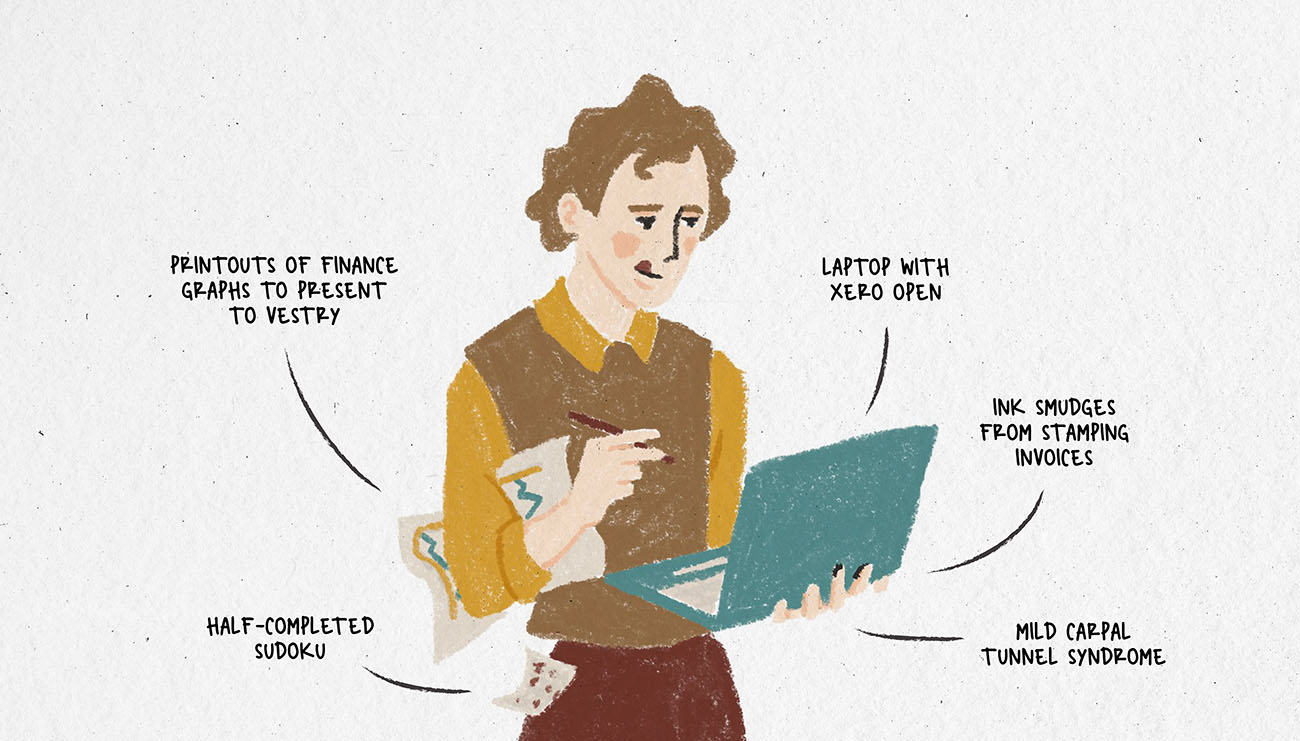
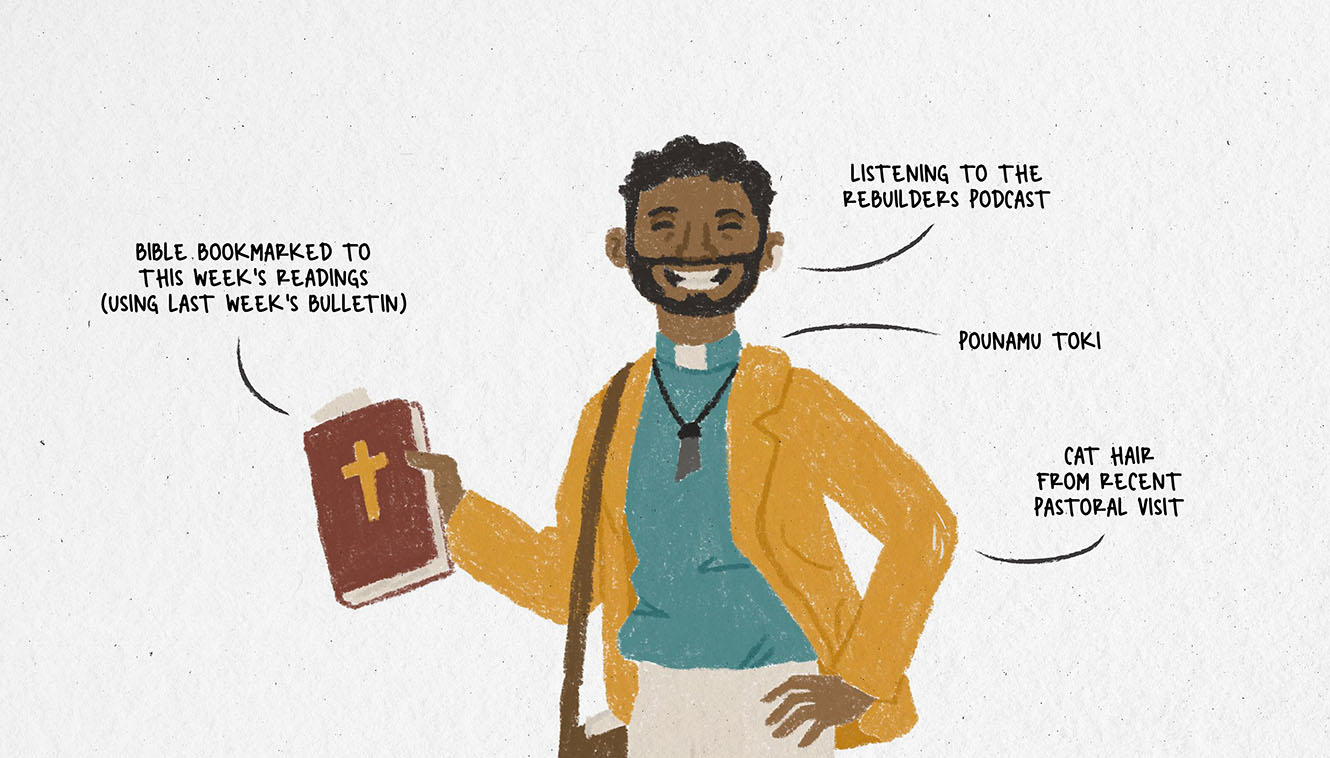
A good synod rep cares about the life of their local parish and the wider church. They get a thrill out of reading a good report and have the patience and good humour to stay engaged through longer sessions. They learn to understand the legislative jargon enough to contribute to the conversation and interpret for their parish.
John, a synod representative of Richmond Parish, tells me that a synod rep has “a willingness to listen even when the subject may be divisive”. Sometimes a gnarly topic can come up that people have strong and varying convictions about. A good synod rep is attentive to the voices around them, asking parishioners for their opinions so they can learn how they think and represent them accurately. John also says that they have “the ability to think strategically beyond the parish to the diocese and the global church”. They are prudent visionaries.
Their commitment to vestry means they have an ear to the ground and a finger on the pulse of their parish, and can represent the needs and hopes of their parish well at synod. They act as ambassadors, representing the voice of their local church body to the wider body. And their involvement at synod means that they can inform their parish – especially the members of vestry who weren’t present – about what happens at synod, and the resolutions and decisions that were made. They can learn from other parishes at synod and report back with ideas and encouragement.
Leaning on the “anatomy” metaphor, it seems to me that synod reps are a mouth in the body of Christ. They speak on behalf of their parish at synod, representing their views and advocating for their needs, considering them as they cast votes and contribute to debates.
I mentioned earlier that synod happens in three “sessions”, one per year. This means that synod rep elections only happen every three years – and they’re happening this year!
Anyone (on the parish electoral roll and not a member of staff) who is interested in the governance of their church and diocese can agree to have their name put forward for nomination as a synod rep. Each nomination must be seconded by another person. Nominees are then elected at their parish AGM.
A synod rep commits to a term of three years, and agrees to adhere to the canons of the Anglican Church in Aotearoa, New Zealand and Polynesia.
If you are passionate about the flourishing of your church and interested in what goes on behind the scenes, you might make a good lay synod representative. Parishes must elect their synod reps by the end of next month. Talk to your vicar about it!
Check out other articles in the
Anglican Anatomy
series below.
More articles in the
Anglican Anatomy
series are to come.
We have invited these writers to share their experiences, ideas and opinions in the hope that these will provoke thought, challenge you to go deeper and inspire you to put your faith into action. These articles should not be taken as the official view of the Nelson Diocese on any particular matter.
Lay synod representative: a big title for a big role. But before I talk about what a lay synod representative is, I should define what synod is.
Synod is the official legislative governing body of the diocese – a formal meeting that looks a bit like Parliament – and is directly responsible to and representative of each parish. While synod meetings take place every year, each of them is one of three “sessions” (you’ll find out why I’m mentioning this later). At synod, members carry out important business like deciding on statutes, policies and budgets, receiving reports and appointing synod representatives on other diocesan boards and committees. These members are: the bishop, all licensed clergy, the diocesan chancellor, deanery youth representatives, AAW representatives and, last but not least, parish lay synod representatives.
Synod reps are delegated by their parish to represent them at synod. They review and discuss matters with the rest of the members of synod and help make decisions accordingly. According to our statutes, each parish must elect two or three synod reps, depending on their population in proportion to the Nelson Diocese (parishes making up less than five percent of the population have two synod reps, parishes with five percent or more have three synod reps).
Synod reps are also members of vestry. This means, of course, that their responsibilities don’t start and end with the annual synod meeting – they are a key part of parish governance. Along with the vicar, wardens and other vestry members, they meet regularly (usually monthly) to make decisions for the parish.
A good synod rep cares about the life of their local parish and the wider church. They get a thrill out of reading a good report and have the patience and good humour to stay engaged through longer sessions. They learn to understand the legislative jargon enough to contribute to the conversation and interpret for their parish.
John, a synod representative of Richmond Parish, tells me that a synod rep has “a willingness to listen even when the subject may be divisive”. Sometimes a gnarly topic can come up that people have strong and varying convictions about. A good synod rep is attentive to the voices around them, asking parishioners for their opinions so they can learn how they think and represent them accurately. John also says that they have “the ability to think strategically beyond the parish to the diocese and the global church”. They are prudent visionaries.
Their commitment to vestry means they have an ear to the ground and a finger on the pulse of their parish, and can represent the needs and hopes of their parish well at synod. They act as ambassadors, representing the voice of their local church body to the wider body. And their involvement at synod means that they can inform their parish – especially the members of vestry who weren’t present – about what happens at synod, and the resolutions and decisions that were made. They can learn from other parishes at synod and report back with ideas and encouragement.
Leaning on the “anatomy” metaphor, it seems to me that synod reps are a mouth in the body of Christ. They speak on behalf of their parish at synod, representing their views and advocating for their needs, considering them as they cast votes and contribute to debates.
I mentioned earlier that synod happens in three “sessions”, one per year. This means that synod rep elections only happen every three years – and they’re happening this year!
Anyone (on the parish electoral roll and not a member of staff) who is interested in the governance of their church and diocese can agree to have their name put forward for nomination as a synod rep. Each nomination must be seconded by another person. Nominees are then elected at their parish AGM.
A synod rep commits to a term of three years, and agrees to adhere to the canons of the Anglican Church in Aotearoa, New Zealand and Polynesia.
If you are passionate about the flourishing of your church and interested in what goes on behind the scenes, you might make a good lay synod representative. Parishes must elect their synod reps by the end of next month. Talk to your vicar about it!
Check out other articles in the
Anglican Anatomy
series below.
More articles in the
Anglican Anatomy
series are to come.