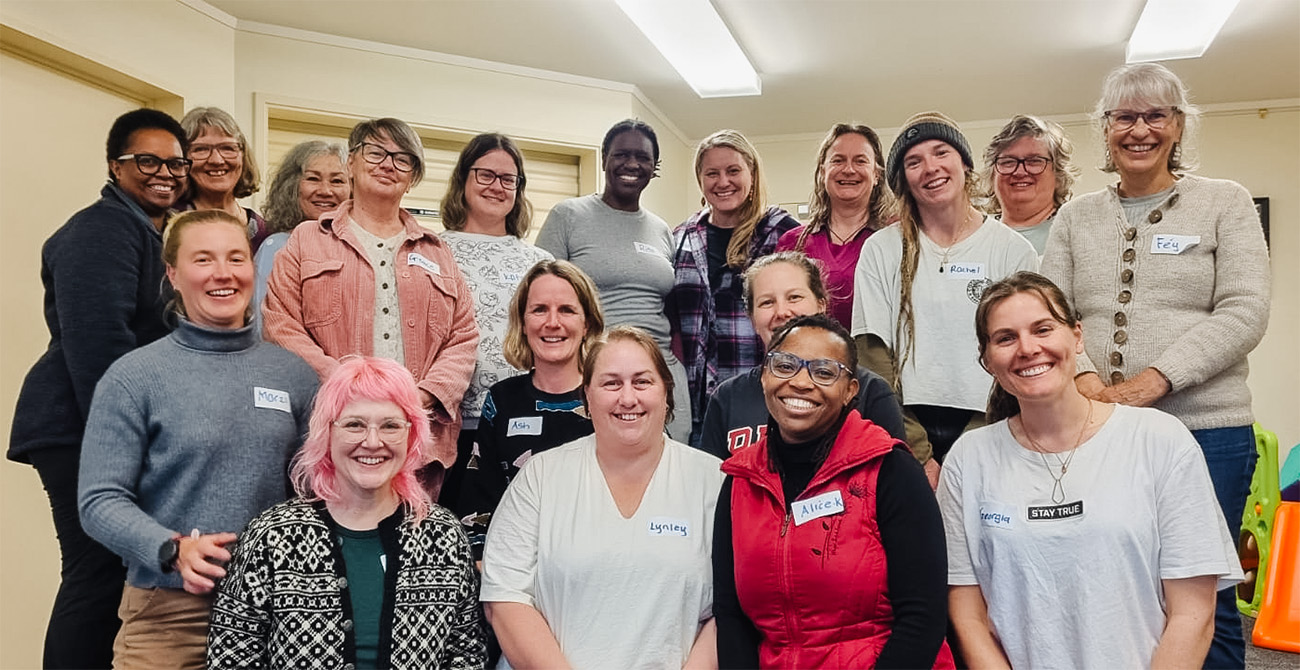
In April this year, we began a new journey with about 30 women from across the Diocese of Nelson. We called the group Te Puna Wāhine – Women as Wellsprings of Life.
Over six months, women gathered regularly on Zoom, connected in triads, prayed with one another, shared their experiences of ministry and life, and reflected together on what it means to flourish as women in ministry leadership.
The journey began with a simple but significant question: What does it mean for women to be wellsprings of life – people who are flourishing and bringing life to those around them?
Our Zoom gatherings were shaped around Te Whare Tapa Whā, a holistic Māori model of wellbeing that considers the different dimensions of our lives – spiritual, emotional, physical and relational.
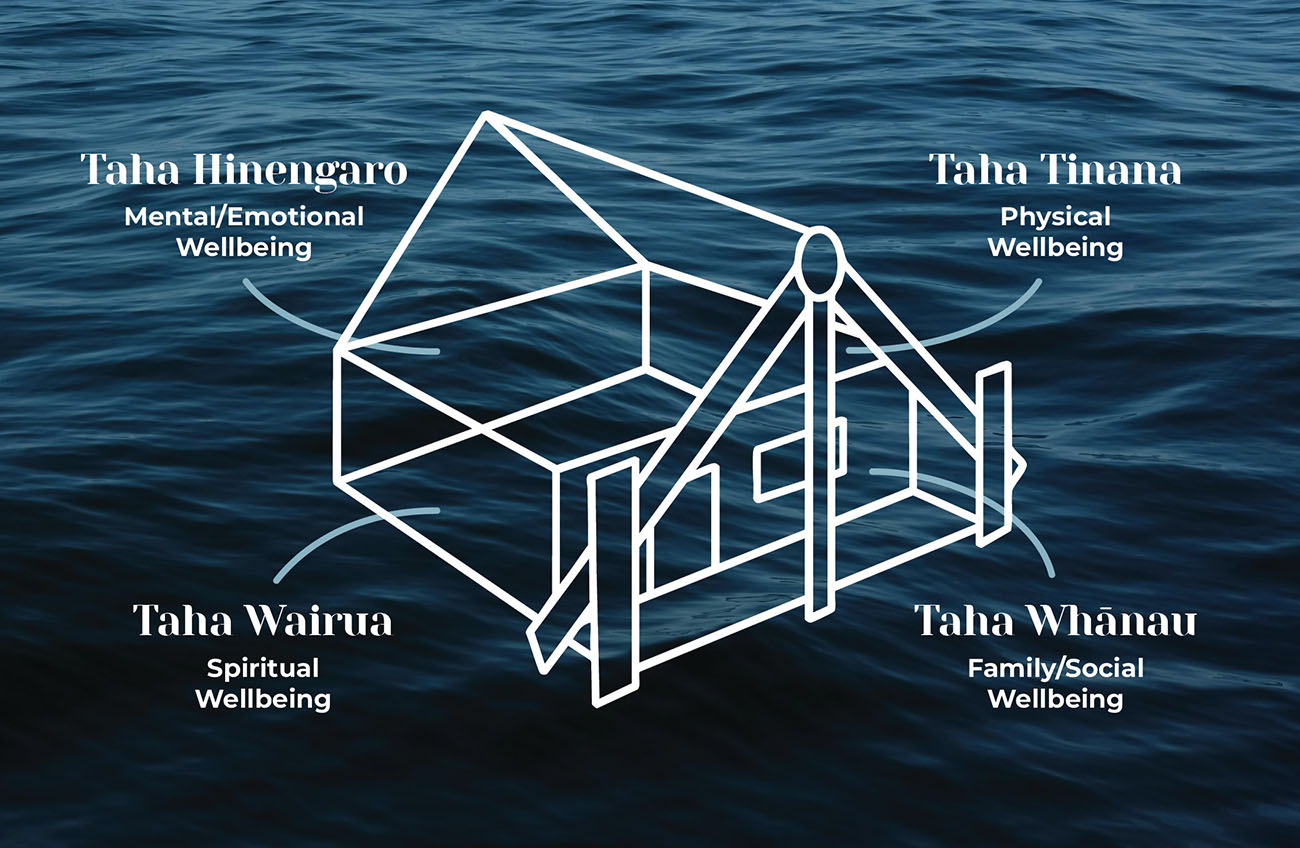
Together we explored what it means to cultivate healthy and flourishing lives in each of these areas. We reflected on Scripture and considered what the Bible says about wellbeing, identity, leadership, relationships, rest and spiritual vitality. We also created space to talk honestly about the realities of ministry and the many demands that women carry.
Each woman became part of a triad, providing a smaller and more intimate space for deeper conversation, prayer and connection. The triads were encouraged to meet as often as possible, allowing relationships to grow beyond the monthly Zoom gatherings.
This became an important part of the journey. Women were not simply learning about flourishing, they were beginning to experience what it means to flourish together.
One of the significant learnings from Te Puna Wāhine was that, although women in ministry leadership can sometimes experience isolation and overwhelm, these experiences do not have to be carried alone. There was something powerful about having a place where women could speak openly about the things they were carrying. When burdens are kept to ourselves, they can feel overwhelming. But when they are shared with trusted others, something changes. The burden may not disappear, but it can become lighter because it is no longer being carried alone.
What began with the invitation for each woman to become a wellspring of life became something more. The women themselves became a source of connection and encouragement for one another. In time, the community itself became a wellspring.That is perhaps one of the most beautiful discoveries:
In August, we completed the six-month programme, but the journey continued into September with a two-day retreat at the lake.
The retreat gave us an opportunity to pause and celebrate what God had been doing among us. We worshipped, prayed, talked, laughed, listened and simply enjoyed being together.
We also spent time reflecting more deeply on what it means to be a woman in ministry leadership. Through teaching and conversation, we considered our gifts, our calling and the ways God may be inviting us into the next season of our lives and ministries. An important part of the retreat was discernment – looking back at what God has been saying and doing, paying attention to what we have learned along the way, and listening for where God might be inviting us next, including vocational ministry leadership.
The retreat became a fitting way to bring the formal part of our journey to a close: not simply looking back at what we had completed, but looking forward with hope and attentiveness to God.
Perhaps our greatest learning and reminder is that connection matters.
Women need places where they can be known and heard. They need opportunities to talk honestly about the joys and challenges of ministry. They need spaces where the pressures they carry can be shared and where they can receive prayer and encouragement from others.
The feedback from the women has been deeply encouraging. Many have described Te Puna Wāhine as valuable and necessary, not only for themselves but for other women who may be experiencing similar realities.
Some women would like to continue meeting together. Others have expressed a desire to contribute to future groups and help create opportunities for more women to experience this kind of connection.
This gives us much to consider as a diocese. How might we continue to strengthen spaces where women in ministry leadership can connect, flourish and discern God's calling? How might Te Puna Wāhine become an ongoing feature of the life of our diocese?
There has also been a deep sense of gratitude among the women for the diocese's investment in them. For many, the opportunity to participate in Te Puna Wāhine communicated something important: the diocese sees women, values their contribution, honours their leadership and is willing to invest in their development.
It has communicated: You matter. Your ministry matters. Your leadership matters. Your wellbeing matters.
As we look back over these six months, there is much for which we can give thanks.
Te Puna Wāhine has been a journey of connection, flourishing, friendship, prayer, learning and discernment. It has revealed both a need and an opportunity within our diocesan community.
We began with the image of women as wellsprings of life. Along the way, we discovered that women do not have to be wellsprings alone. We can become a wellspring for one another.
A six-month journey has come to an end, but the friendships endure, and we trust it is also the beginning of something that will continue to bring life to the Diocese of Nelson. Expressions of interest are welcome for next year’s leadership cohort. We'll send out a link later this year.
Thanks to all who participated in Te Puna Wāhine session 1 – the pilot. Thanks to all our amazing speakers and Bible study leaders. Thanks to Marzi and Rita for co-facilitating the Te Puna Wāhine Leadership cohort with me. Thanks to the diocese for all the support.
For with you is the fountain of life; in your light we see light.
Psalm 36:9
Thank you all for your support and prayers.
Here’s a reflection from one of the wāhine, Amanda:
Te Puna Wāhine has been a lifegiving and enriching journey. The table was set for us as women in ministry, we were able to pull up a chair, sit and receive nourishment and refreshment for the journey we are each on. Though we live in various locations across the dioceses and hold various responsibilities there are common threads that women can feel including loneliness, isolation and overwhelm. The group calls reminded us that meaningful relationships are essential for emotional and spiritual wellbeing. We have been created for connection – a desire to belong, to be known and to be valued.
God designed us to live and flourish in communities and it is through those relationships around us that we can grow, heal, experience joy and be transformed more into the likeness of Christ. I so appreciate the opportunity to be a part of Te Puna Wāhine and cultivate deeper relationships with God and other women.
Check out other articles in the
series below.
More articles in the
series are to come.
We have invited these writers to share their experiences, ideas and opinions in the hope that these will provoke thought, challenge you to go deeper and inspire you to put your faith into action. These articles should not be taken as the official view of the Nelson Diocese on any particular matter.
In April this year, we began a new journey with about 30 women from across the Diocese of Nelson. We called the group Te Puna Wāhine – Women as Wellsprings of Life.
Over six months, women gathered regularly on Zoom, connected in triads, prayed with one another, shared their experiences of ministry and life, and reflected together on what it means to flourish as women in ministry leadership.
The journey began with a simple but significant question: What does it mean for women to be wellsprings of life – people who are flourishing and bringing life to those around them?
Our Zoom gatherings were shaped around Te Whare Tapa Whā, a holistic Māori model of wellbeing that considers the different dimensions of our lives – spiritual, emotional, physical and relational.
Together we explored what it means to cultivate healthy and flourishing lives in each of these areas. We reflected on Scripture and considered what the Bible says about wellbeing, identity, leadership, relationships, rest and spiritual vitality. We also created space to talk honestly about the realities of ministry and the many demands that women carry.
Each woman became part of a triad, providing a smaller and more intimate space for deeper conversation, prayer and connection. The triads were encouraged to meet as often as possible, allowing relationships to grow beyond the monthly Zoom gatherings.
This became an important part of the journey. Women were not simply learning about flourishing, they were beginning to experience what it means to flourish together.
One of the significant learnings from Te Puna Wāhine was that, although women in ministry leadership can sometimes experience isolation and overwhelm, these experiences do not have to be carried alone. There was something powerful about having a place where women could speak openly about the things they were carrying. When burdens are kept to ourselves, they can feel overwhelming. But when they are shared with trusted others, something changes. The burden may not disappear, but it can become lighter because it is no longer being carried alone.
What began with the invitation for each woman to become a wellspring of life became something more. The women themselves became a source of connection and encouragement for one another. In time, the community itself became a wellspring.That is perhaps one of the most beautiful discoveries:
In August, we completed the six-month programme, but the journey continued into September with a two-day retreat at the lake.
The retreat gave us an opportunity to pause and celebrate what God had been doing among us. We worshipped, prayed, talked, laughed, listened and simply enjoyed being together.
We also spent time reflecting more deeply on what it means to be a woman in ministry leadership. Through teaching and conversation, we considered our gifts, our calling and the ways God may be inviting us into the next season of our lives and ministries. An important part of the retreat was discernment – looking back at what God has been saying and doing, paying attention to what we have learned along the way, and listening for where God might be inviting us next, including vocational ministry leadership.
The retreat became a fitting way to bring the formal part of our journey to a close: not simply looking back at what we had completed, but looking forward with hope and attentiveness to God.
Perhaps our greatest learning and reminder is that connection matters.
Women need places where they can be known and heard. They need opportunities to talk honestly about the joys and challenges of ministry. They need spaces where the pressures they carry can be shared and where they can receive prayer and encouragement from others.
The feedback from the women has been deeply encouraging. Many have described Te Puna Wāhine as valuable and necessary, not only for themselves but for other women who may be experiencing similar realities.
Some women would like to continue meeting together. Others have expressed a desire to contribute to future groups and help create opportunities for more women to experience this kind of connection.
This gives us much to consider as a diocese. How might we continue to strengthen spaces where women in ministry leadership can connect, flourish and discern God's calling? How might Te Puna Wāhine become an ongoing feature of the life of our diocese?
There has also been a deep sense of gratitude among the women for the diocese's investment in them. For many, the opportunity to participate in Te Puna Wāhine communicated something important: the diocese sees women, values their contribution, honours their leadership and is willing to invest in their development.
It has communicated: You matter. Your ministry matters. Your leadership matters. Your wellbeing matters.
As we look back over these six months, there is much for which we can give thanks.
Te Puna Wāhine has been a journey of connection, flourishing, friendship, prayer, learning and discernment. It has revealed both a need and an opportunity within our diocesan community.
We began with the image of women as wellsprings of life. Along the way, we discovered that women do not have to be wellsprings alone. We can become a wellspring for one another.
A six-month journey has come to an end, but the friendships endure, and we trust it is also the beginning of something that will continue to bring life to the Diocese of Nelson. Expressions of interest are welcome for next year’s leadership cohort. We'll send out a link later this year.
Thanks to all who participated in Te Puna Wāhine session 1 – the pilot. Thanks to all our amazing speakers and Bible study leaders. Thanks to Marzi and Rita for co-facilitating the Te Puna Wāhine Leadership cohort with me. Thanks to the diocese for all the support.
For with you is the fountain of life; in your light we see light.
Psalm 36:9
Thank you all for your support and prayers.
Here’s a reflection from one of the wāhine, Amanda:
Te Puna Wāhine has been a lifegiving and enriching journey. The table was set for us as women in ministry, we were able to pull up a chair, sit and receive nourishment and refreshment for the journey we are each on. Though we live in various locations across the dioceses and hold various responsibilities there are common threads that women can feel including loneliness, isolation and overwhelm. The group calls reminded us that meaningful relationships are essential for emotional and spiritual wellbeing. We have been created for connection – a desire to belong, to be known and to be valued.
God designed us to live and flourish in communities and it is through those relationships around us that we can grow, heal, experience joy and be transformed more into the likeness of Christ. I so appreciate the opportunity to be a part of Te Puna Wāhine and cultivate deeper relationships with God and other women.
Check out other articles in the
series below.
More articles in the
series are to come.