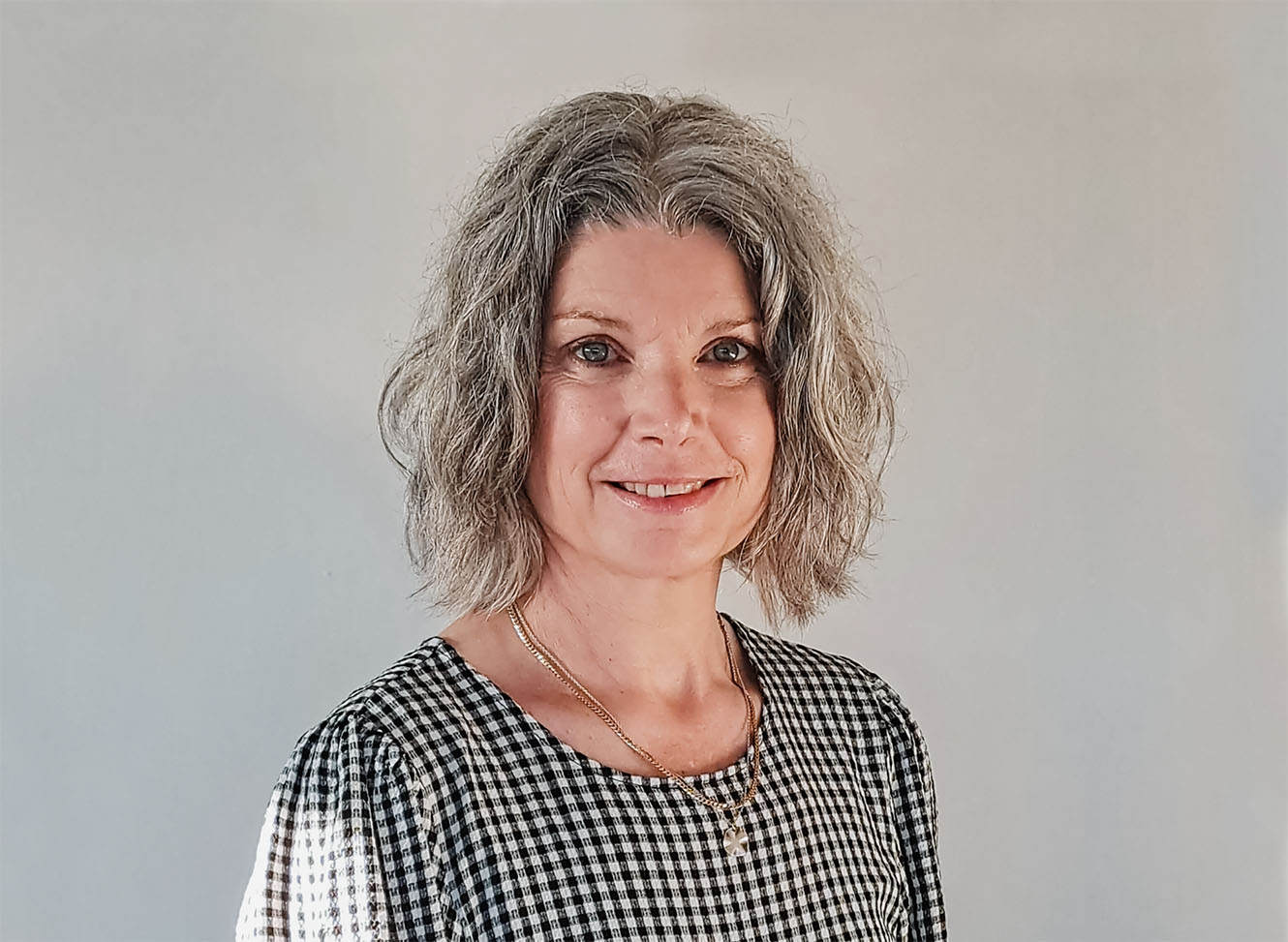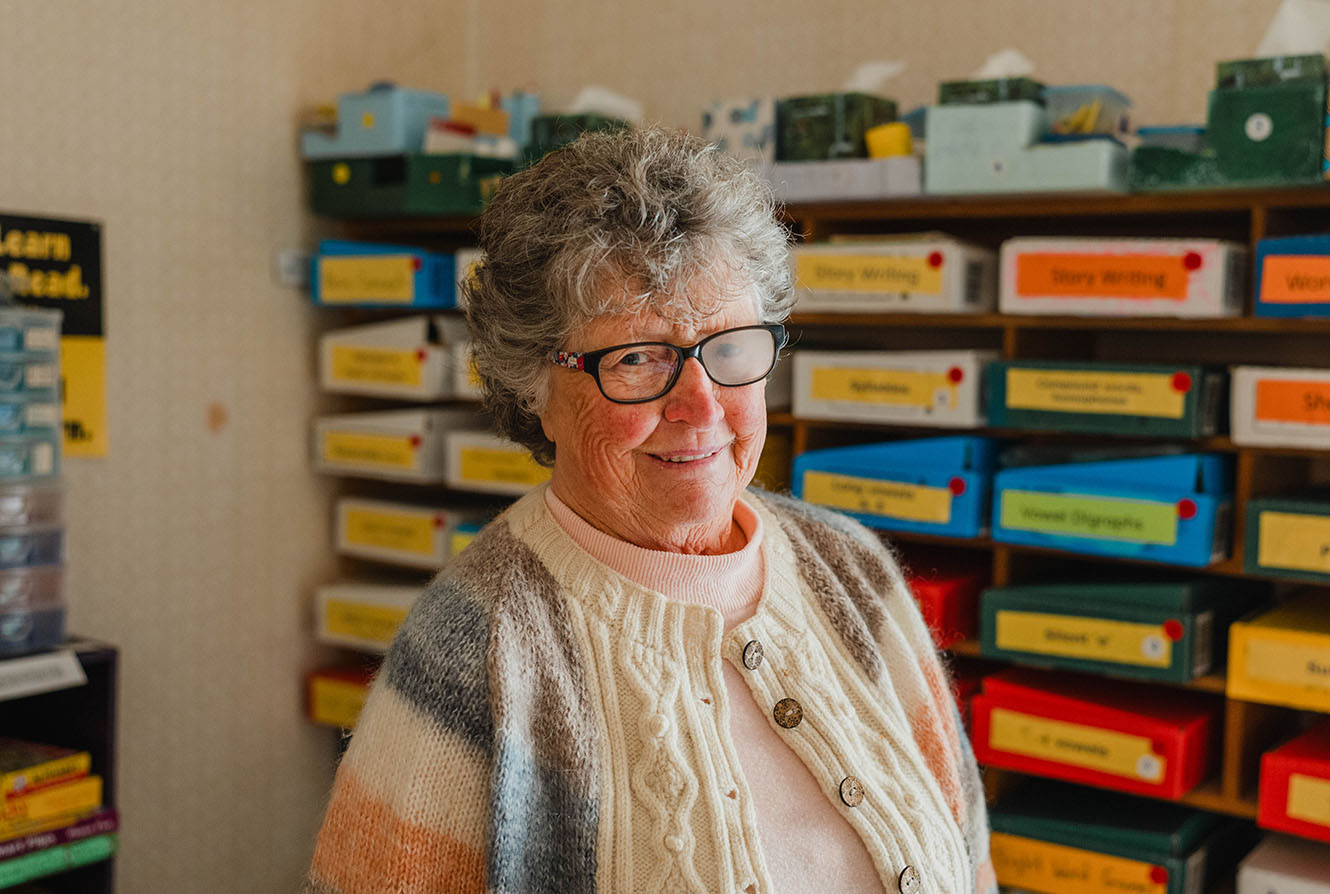
Carol Duffy is a local Motueka legend who has made – and is continuing to make – a difference in the lives of hundreds of children.
Carol is one of the founders of Winning with Words, an affordable after-school literacy programme held every week in the parish centre at St Thomas. In 2012 she was awarded a “Local Hero Award” for her dedication to the programme. This month marks a quarter of a century for Winning with Words.
I talked to Carol to hear her story, and comms specialist Petra met her to check out where the magic happens and take some photos.
Carol: In 2000, four SPELD (learning disability assistance) teachers had the vision of setting up after-school literacy lessons for children who were struggling at school and not able to access the help they needed.
Those teachers were Faye Bensemann, Petrina Classen, Suzanne Drury-Turnbull, and myself. We knew many Motueka families were unable to afford literacy programmes, and that schools didn’t have the funding or staff to do all they’d like to.
When we shared these ideas with Rev Chris Ponniah, the Motueka vicar at the time, he was very supportive. Then we shared our ideas with senior members of SPELD Nelson. Instead of opposing a plan that could take students away from their programme, they were very supportive, giving much time and advice to us.
Petrina and Carol set up interviews with ten local primary school principals to gauge their support. Nine of the ten were enthusiastic about the idea and asked us to start with six-year-olds, rather than the seven-year-olds we had planned for.
We gathered or made resources, providing everything our teachers and children need. Evening AAW coloured games for us. Alison Scott made book bags for the children and became our first “tea lady”. Schools gave old reading books. ANZ gave $1000 for reading books, and later AAW nationally, TDC, Greenwood Health, and others also donated funds to us.
So in May 2001, Winning With Words became a reality, taking small groups of children aged six to thirteen after school on Mondays.
Since then, we have had hundreds of students.
Carol: Winning with Words supports children in literacy by teaching the core skills needed for both reading and spelling, working at the pace of each individual. Our team of nine teach one-on-one using Steps, a multi-sensory programme written in Canterbury, involving computers, workbooks, and games.
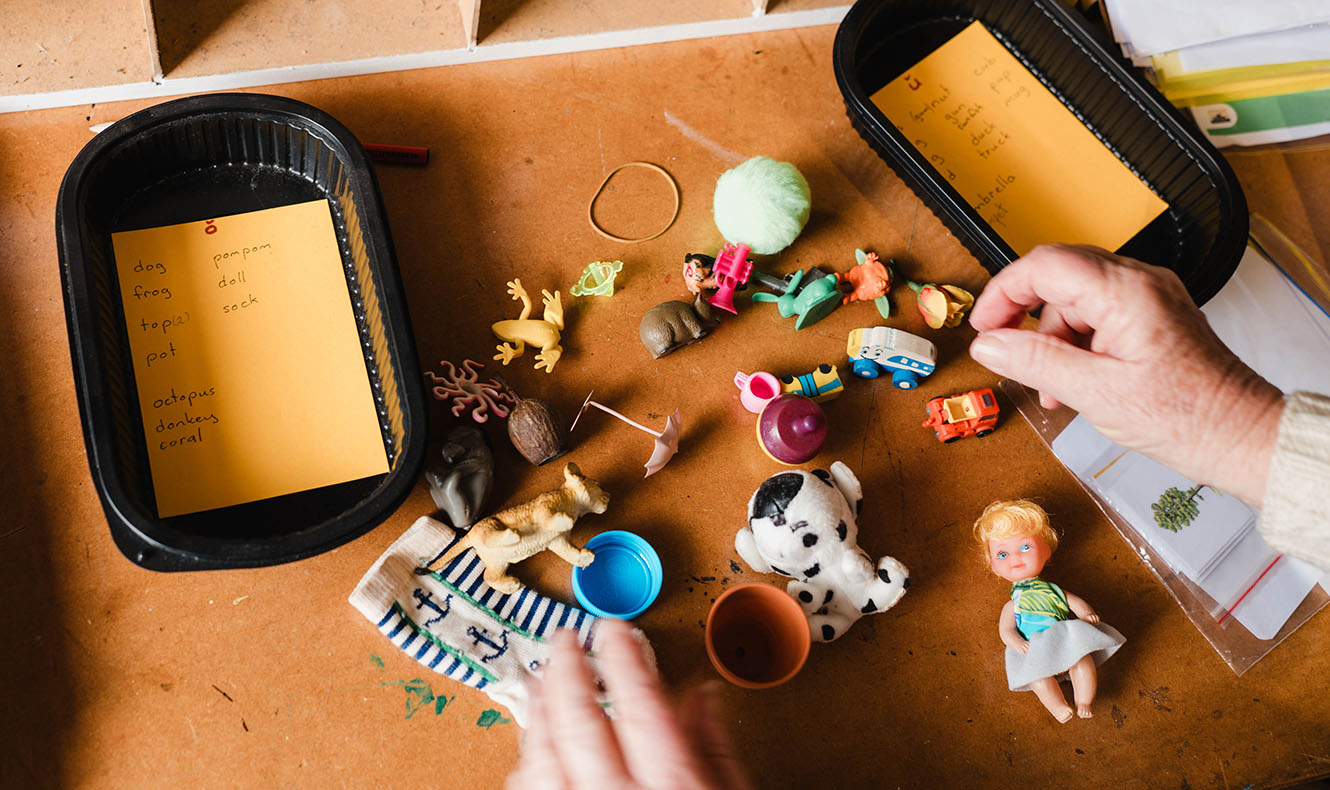
Carol: Children who are falling behind at school are referred to us by local schools, or by friends or family of previous pupils. We have three one-hour sessions after school on Mondays in the St Thomas parish centre building. $50 per student per term helps cover the Steps licence, workbooks, book bags, and refreshments. Our teachers are all volunteers.
Children are provided with a drink and a snack. Each teacher has a space, some separate rooms, some in a larger room divided by screens. Each space has a table, chairs, whiteboard, stationery, and learning tools like counters and dice.
Carol: Usually the first difference seen is the child's new-found confidence and increased self esteem.
If they have turned to bad behaviour as a cover for academic failures, their behaviour will improve, they will become more socially acceptable and life for the whole family will be calmer. Just the fact the parent has found a listening ear and some practical help can make a huge difference to them, and this affects the whole family.
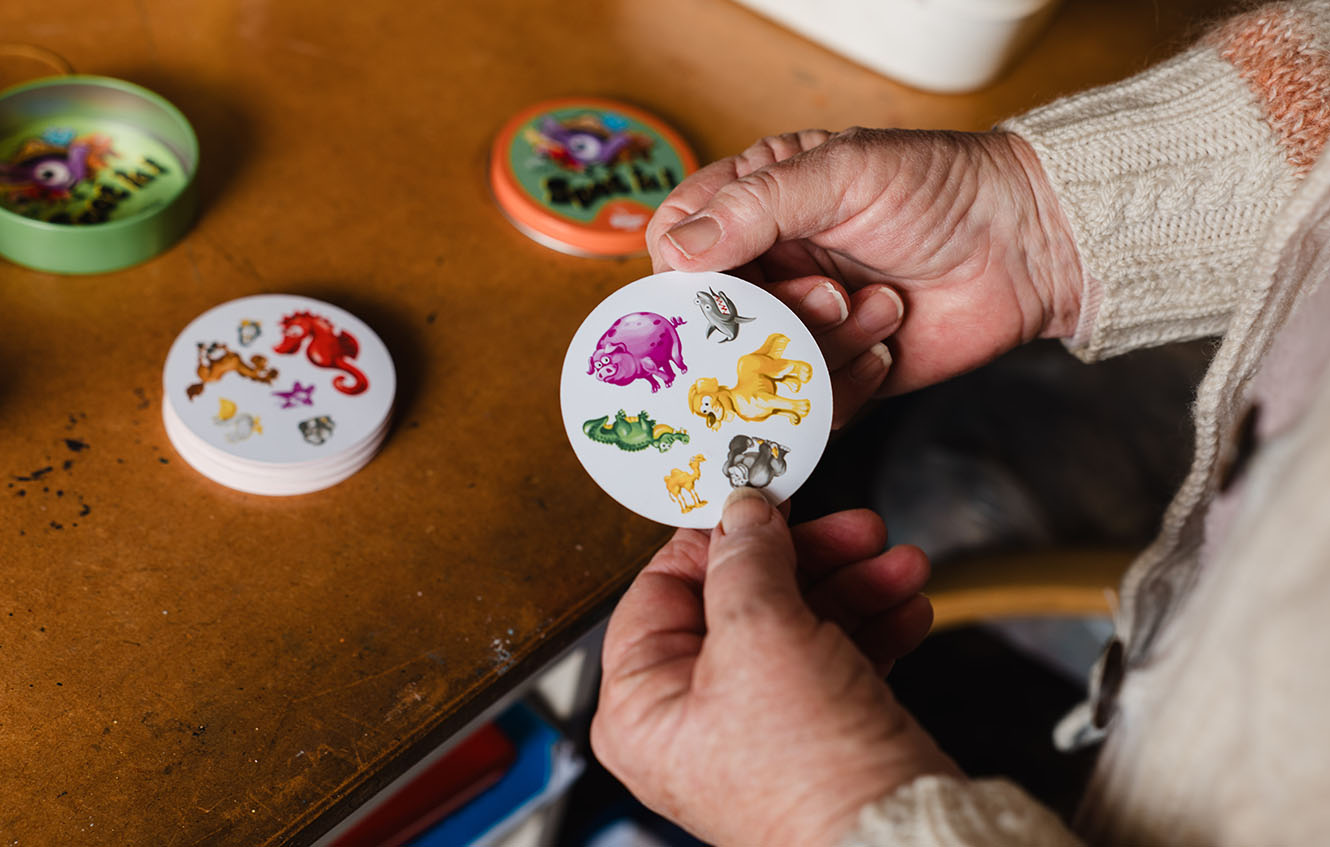
Carol: We're always delighted when we see our former pupils among the student leaders and prizewinners at local high schools. Many have gone on to university or other tertiary training and are now serving their communities. Without our intervention the outcome could have been very different.
In our early days working in groups – one teacher and one helper in each group – one of our helpers started bringing her grand-daughter along. The child was struggling with reading at school. After some time at WWW, the little girl went on to tertiary training and a successful career. The grandmother moved away to a rest home, but the mother, who was no longer teaching in a school, joined us at WWW – three generations!
Carol: Feedback from schools is always positive. Often we have a waiting list of children schools want to send to us. Recently we have been getting requests from further afield, like Stoke and Richmond.
We received the Local Heroes Award as part of the New Zealander of the Year Awards. A few are awarded in each district. At the time they were particularly interested in the fact that professionals were volunteering.
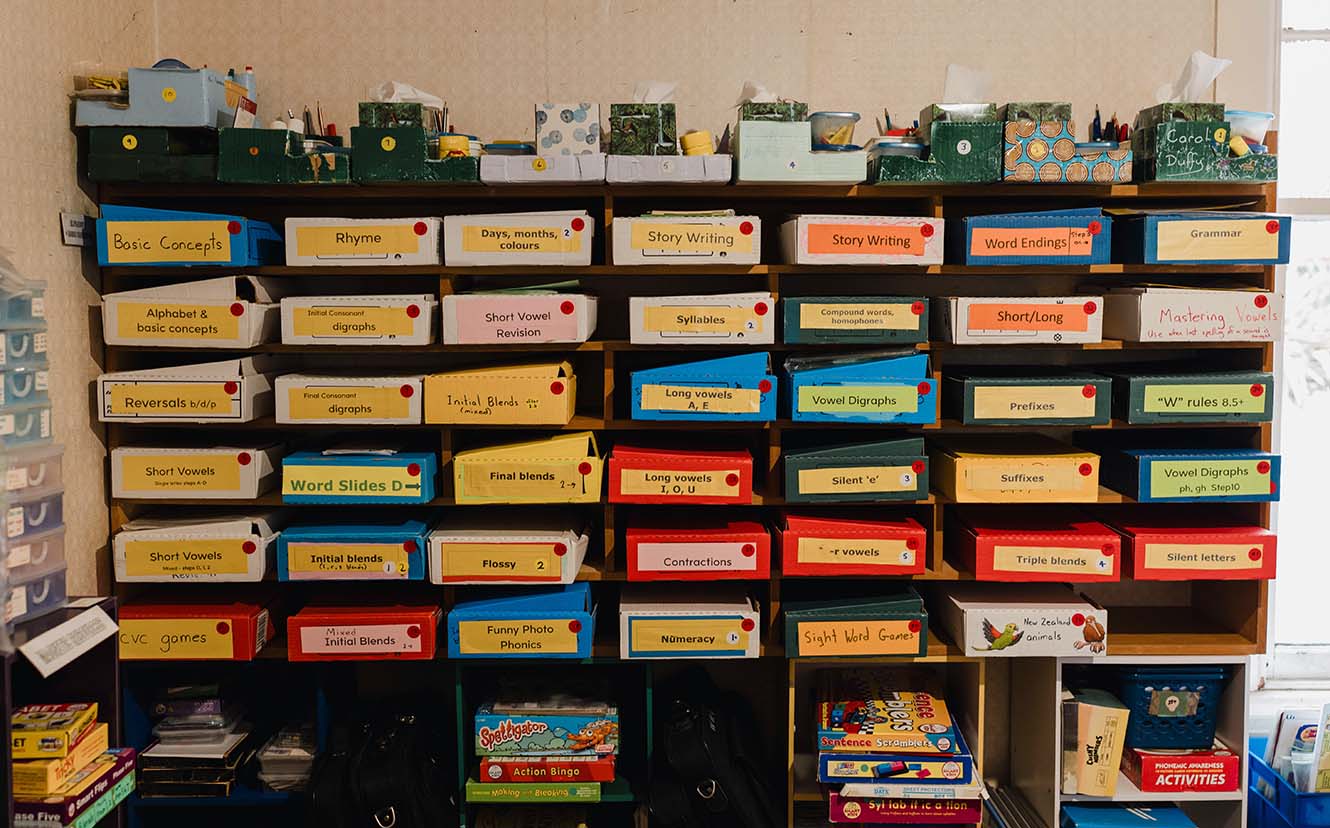
Carol: Working one-on-one forms close relationships with children and parents, which is not possible in a busy classroom. I enjoy seeing the progress. Using the Steps programme gives tangible results as we see the child move from “step” to “step”. Knowing I've helped, sometimes sharing the gospel verbally, mostly sharing Jesus' love is very rewarding. Families' needs are different, some we're able to help – either directly or by putting them in touch with another ministry or organisation. We invite families from WWW to Messy Church every month, some come and go on from there.
I also enjoy working as a team to achieve results, not just with my fellow tutors but working with the family and the school with a specific goal.
It can be challenging to find time every week to prepare lessons that will engage the child, who is not always in the right frame of mind for working. It’s also a big commitment to be there regardless of what's happening in my life.
Carol: Literacy is such an important basic skill for life. Unfortunately our schools can't meet the individual needs of every student, lack the finance they need, and often lack the training for particular needs.
We've seen the difference that can be made, but we're a small group in a small town. The needs are everywhere.
Carol: If people can interest a small group we are willing to meet with them and work through getting started.
When we started we needed qualified people but now we use this programme, not all our tutors need to be qualified – as long as they do the free online Steps training and are willing to be guided by a trained teacher.
The need is in every one of our parishes. We're willing to help people get started.
Check out other articles in the
series below.
More articles in the
series are to come.
We have invited these writers to share their experiences, ideas and opinions in the hope that these will provoke thought, challenge you to go deeper and inspire you to put your faith into action. These articles should not be taken as the official view of the Nelson Diocese on any particular matter.
Carol Duffy is a local Motueka legend who has made – and is continuing to make – a difference in the lives of hundreds of children.
Carol is one of the founders of Winning with Words, an affordable after-school literacy programme held every week in the parish centre at St Thomas. In 2012 she was awarded a “Local Hero Award” for her dedication to the programme. This month marks a quarter of a century for Winning with Words.
I talked to Carol to hear her story, and comms specialist Petra met her to check out where the magic happens and take some photos.
Carol: In 2000, four SPELD (learning disability assistance) teachers had the vision of setting up after-school literacy lessons for children who were struggling at school and not able to access the help they needed.
Those teachers were Faye Bensemann, Petrina Classen, Suzanne Drury-Turnbull, and myself. We knew many Motueka families were unable to afford literacy programmes, and that schools didn’t have the funding or staff to do all they’d like to.
When we shared these ideas with Rev Chris Ponniah, the Motueka vicar at the time, he was very supportive. Then we shared our ideas with senior members of SPELD Nelson. Instead of opposing a plan that could take students away from their programme, they were very supportive, giving much time and advice to us.
Petrina and Carol set up interviews with ten local primary school principals to gauge their support. Nine of the ten were enthusiastic about the idea and asked us to start with six-year-olds, rather than the seven-year-olds we had planned for.
We gathered or made resources, providing everything our teachers and children need. Evening AAW coloured games for us. Alison Scott made book bags for the children and became our first “tea lady”. Schools gave old reading books. ANZ gave $1000 for reading books, and later AAW nationally, TDC, Greenwood Health, and others also donated funds to us.
So in May 2001, Winning With Words became a reality, taking small groups of children aged six to thirteen after school on Mondays.
Since then, we have had hundreds of students.
Carol: Winning with Words supports children in literacy by teaching the core skills needed for both reading and spelling, working at the pace of each individual. Our team of nine teach one-on-one using Steps, a multi-sensory programme written in Canterbury, involving computers, workbooks, and games.
Carol: Children who are falling behind at school are referred to us by local schools, or by friends or family of previous pupils. We have three one-hour sessions after school on Mondays in the St Thomas parish centre building. $50 per student per term helps cover the Steps licence, workbooks, book bags, and refreshments. Our teachers are all volunteers.
Children are provided with a drink and a snack. Each teacher has a space, some separate rooms, some in a larger room divided by screens. Each space has a table, chairs, whiteboard, stationery, and learning tools like counters and dice.
Carol: Usually the first difference seen is the child's new-found confidence and increased self esteem.
If they have turned to bad behaviour as a cover for academic failures, their behaviour will improve, they will become more socially acceptable and life for the whole family will be calmer. Just the fact the parent has found a listening ear and some practical help can make a huge difference to them, and this affects the whole family.
Carol: We're always delighted when we see our former pupils among the student leaders and prizewinners at local high schools. Many have gone on to university or other tertiary training and are now serving their communities. Without our intervention the outcome could have been very different.
In our early days working in groups – one teacher and one helper in each group – one of our helpers started bringing her grand-daughter along. The child was struggling with reading at school. After some time at WWW, the little girl went on to tertiary training and a successful career. The grandmother moved away to a rest home, but the mother, who was no longer teaching in a school, joined us at WWW – three generations!
Carol: Feedback from schools is always positive. Often we have a waiting list of children schools want to send to us. Recently we have been getting requests from further afield, like Stoke and Richmond.
We received the Local Heroes Award as part of the New Zealander of the Year Awards. A few are awarded in each district. At the time they were particularly interested in the fact that professionals were volunteering.
Carol: Working one-on-one forms close relationships with children and parents, which is not possible in a busy classroom. I enjoy seeing the progress. Using the Steps programme gives tangible results as we see the child move from “step” to “step”. Knowing I've helped, sometimes sharing the gospel verbally, mostly sharing Jesus' love is very rewarding. Families' needs are different, some we're able to help – either directly or by putting them in touch with another ministry or organisation. We invite families from WWW to Messy Church every month, some come and go on from there.
I also enjoy working as a team to achieve results, not just with my fellow tutors but working with the family and the school with a specific goal.
It can be challenging to find time every week to prepare lessons that will engage the child, who is not always in the right frame of mind for working. It’s also a big commitment to be there regardless of what's happening in my life.
Carol: Literacy is such an important basic skill for life. Unfortunately our schools can't meet the individual needs of every student, lack the finance they need, and often lack the training for particular needs.
We've seen the difference that can be made, but we're a small group in a small town. The needs are everywhere.
Carol: If people can interest a small group we are willing to meet with them and work through getting started.
When we started we needed qualified people but now we use this programme, not all our tutors need to be qualified – as long as they do the free online Steps training and are willing to be guided by a trained teacher.
The need is in every one of our parishes. We're willing to help people get started.
Check out other articles in the
series below.
More articles in the
series are to come.