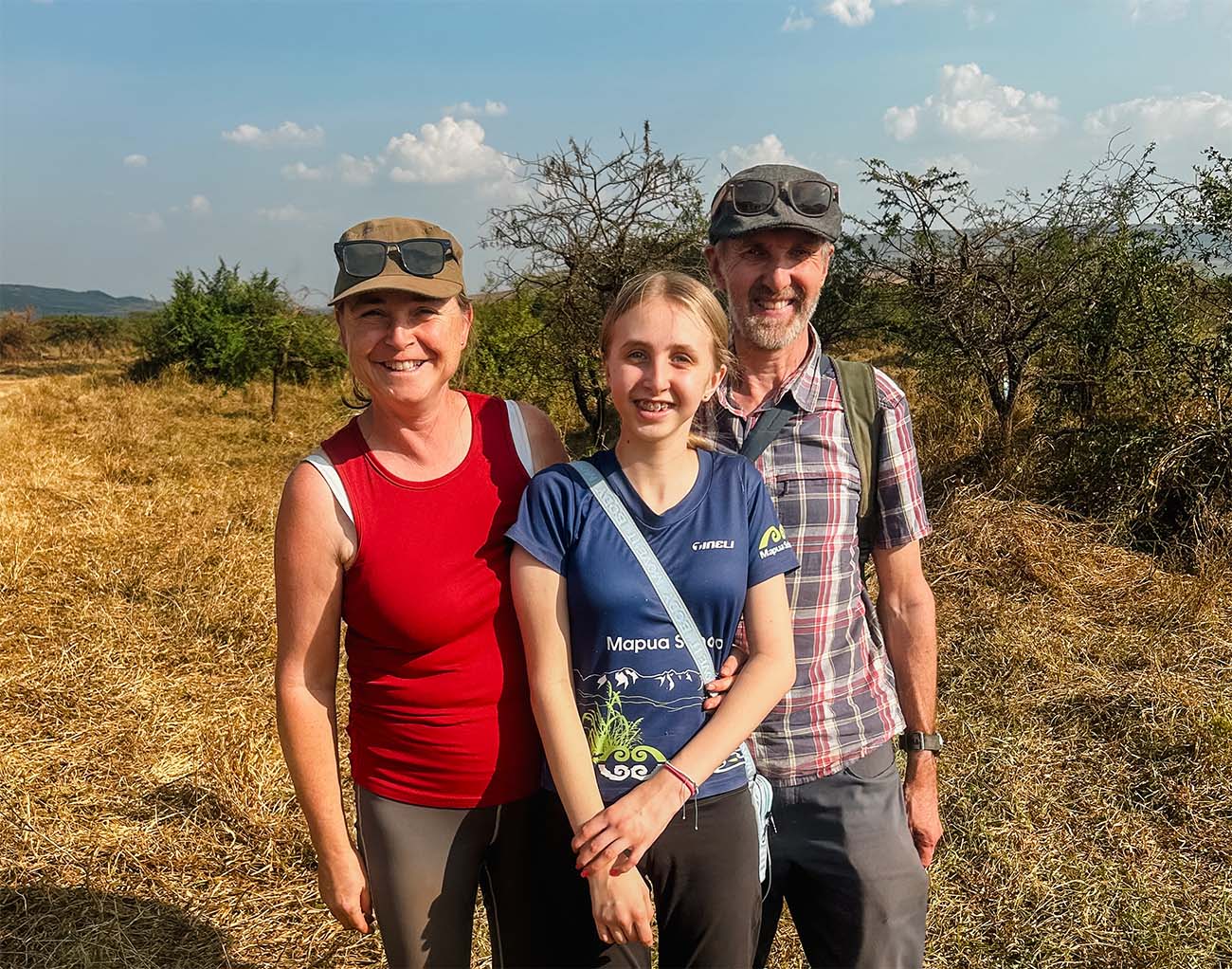
Our first encounter with Africa was when John took a three-week trip to Kenya in 2007. Then in 2015, the opportunity to take sabbatical leave allowed us as a family, including a one-year-old Emily, to live in Nairobi for three months. Through this experience we became so aware of three things: the profoundly relational nature of global mission, the need to embrace a lens of reciprocity and mutuality, and the need to learn to recognise God’s fingerprints in the relationships we were forming. Some of the deepest friends we made in Kenya are now serving as missionaries through the church in New Zealand.
After ten years of ministry at Hills Community Church in Māpua, and a busy family life with two sons at high school, and through the complexity of the Covid years, we finished up in 2023.
In this transition, TL Africa (Transformational Leadership Africa), who we’d formed a relationship with back in Kenya, asked what it might look like to work with them. As we asked NZCMS to help us discern what God might be doing here, we became even more aware of God’s fingerprints, as mutual friends and connections led to an invitation from Bishop Manasseh of the Gahini Diocese to work towards being based in Rwanda as NZCMS long-term mission partners.
So in 2025, we – John, Connie and Emily – left our New Zealand life, and our two eldest sons, to begin training at St Andrew’s Hall in Melbourne and then move to Rwanda in early 2026.
We all know something of the history of Rwanda – most likely the 1994 genocide against the Tutsi, where close to a million people were killed in the space of 100 days. But alongside this history, and in stark contrast, Rwanda was also the birthplace of the East African Revival, which led to the astonishing growth of the church in East Africa. But why come to a country as missionaries when 90% of people are already believers?
In August 2024, at the time that we were discerning with NZCMS, far-reaching legislation in Rwanda came into effect that seeks to protect Rwandans from church exploitation, to ensure standards for church buildings and to require degree level theological education for all pastors. The effect of the legislation has been enormous and far-reaching.
Around 10,000 churches were closed in August 2024.
In the Anglican Diocese of Gahini, of the 270 church buildings being used, only seven were able to remain open. While seven more have since reopened, the reality is that there is no path that would easily allow gathered worship in many communities.
There is a great need for theological education, a great need for encouragement, and a great need to wrestle with this question: What does it mean to share the good news of Jesus in a context where the ability and freedom to form local Christian community through gathered church is severely restricted?
In many ways, this is where the rubber hits the road in mission and discipleship – where the message of the good news isn’t about inviting people to come to church, but about learning to follow Jesus together.
The day we moved to Gahini after arriving in Rwanda, the bishop here rang to say he had decided that the house we were going to be living in wasn’t suitable, and that he had found a rental house in Kayonza, the main town about 10km from Gahini.
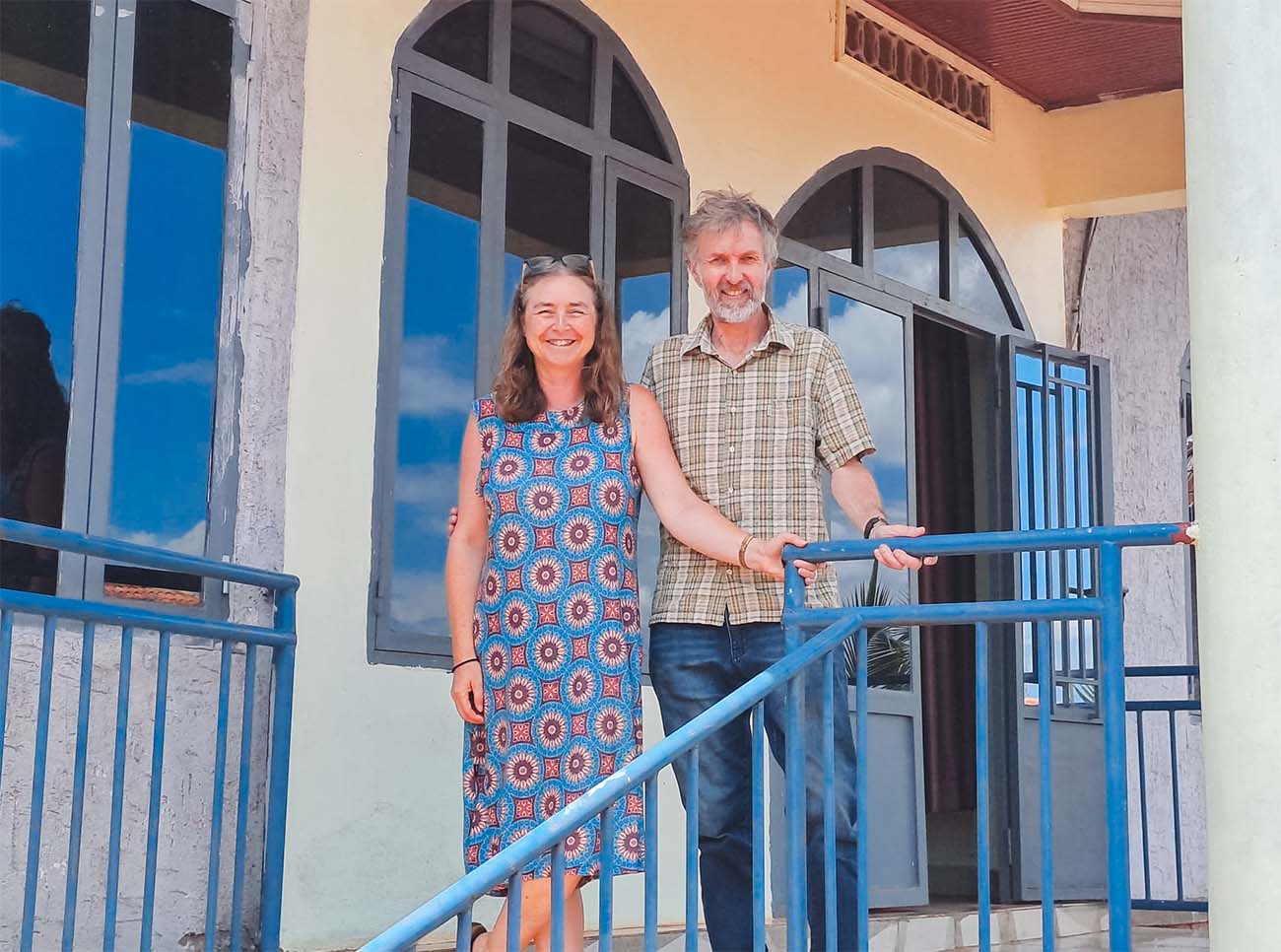
This was a good introduction to how life seems to turn in Rwanda – change happens day by day, and you never know exactly what changes each day will bring.
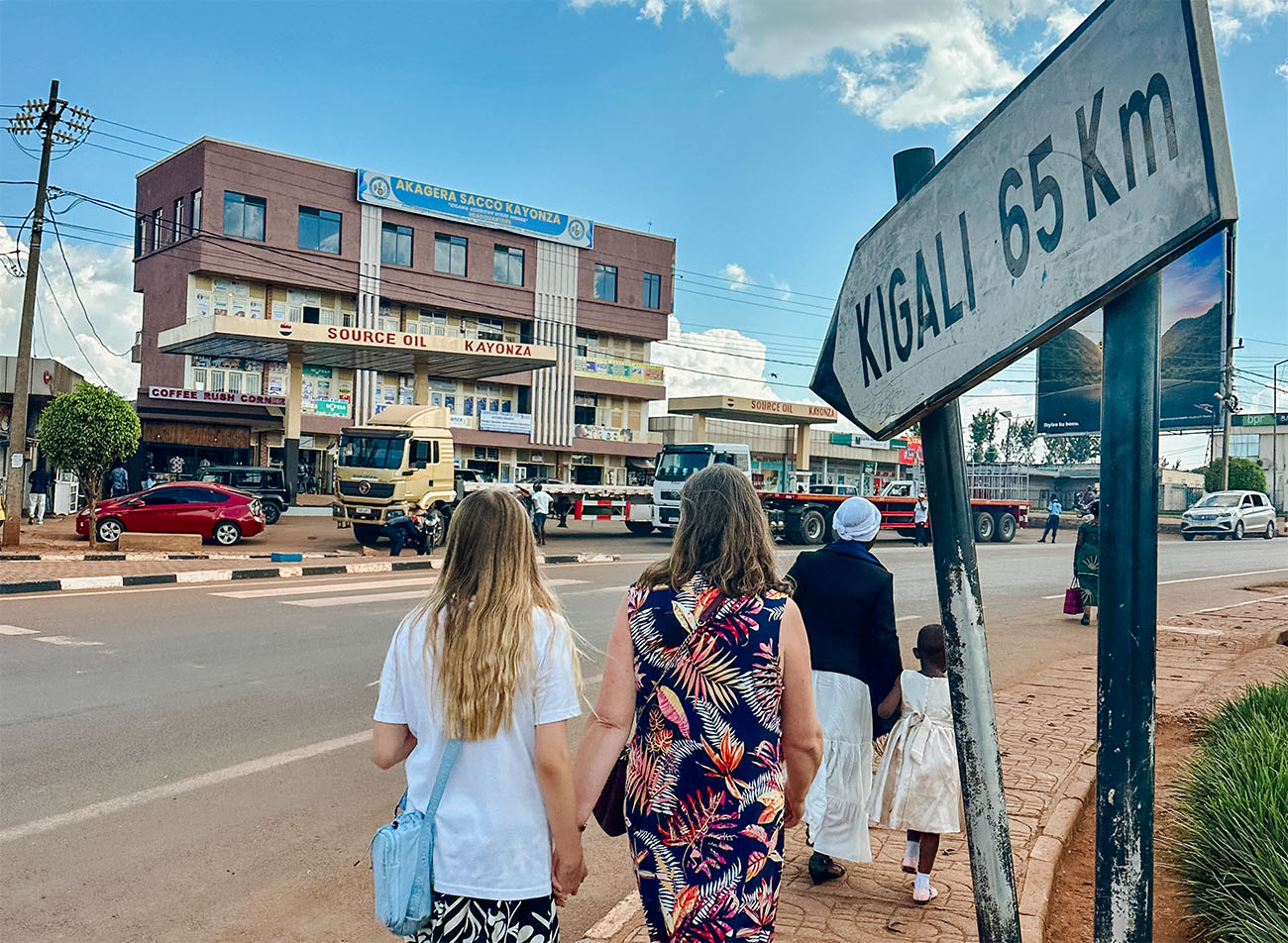
We have learnt that God can work through all this and to trust in him, that he is one driving the bus! The house we are in Kayonza has worked out much better for us, as we are within walking distance of our language school and to local shops. We have also slowly begun to make friends with our neighbours, and throughout the community.
We’ve also been surprised by how much can be carried on the back of a bicycle! Some of our favourite loads so far:
The best thing about Rwanda is the friendly people. While we are out walking in our community people are incredibly warm and friendly – of course, we do stand out a little! We have made good friends just by meeting people as we live in community life.
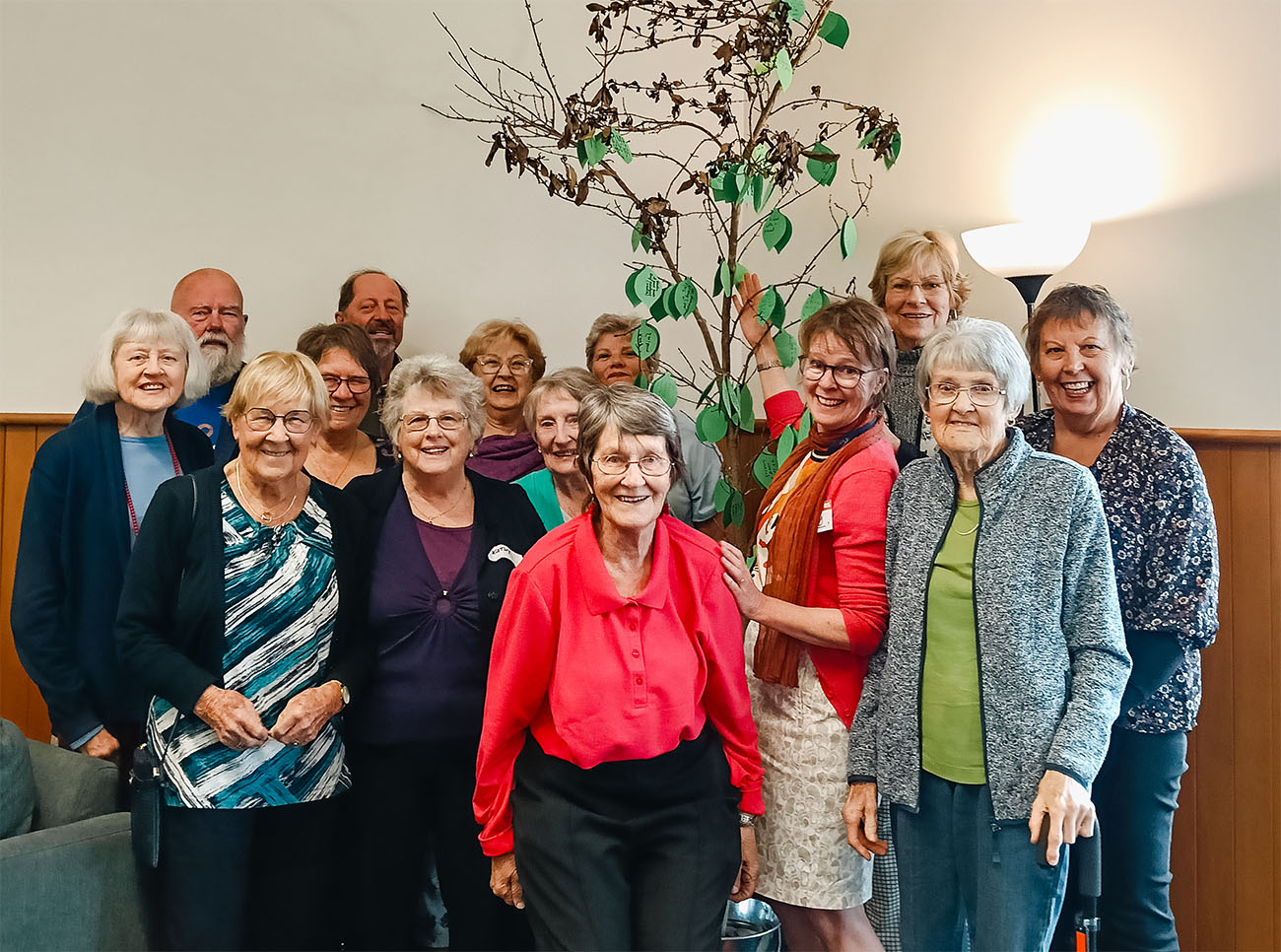
We are so grateful for the support and encouragement we receive from within the Nelson Diocese. This support is really about partnering together to serve the church in Rwanda.
Our “sending” or “home” parish is St Stephens Tāhunanui, and we’re also blessed to partner with All Saints in Nelson and the Havelock & Sounds Parish as link churches. In addition to these churches there are many individuals from the diocese who support us and pray for us. We are also greatly encouraged by the Nelson CMS group, who pray for us regularly.
Without your support and partnership we would not be able to serve the church in Rwanda,
Would you like to partner with us and the church in Rwanda?
Sign up to receive our newsletter, and you can be part of our ongoing prayer support. You can also aid us financially through the NZCMS website.
Check out other articles in the
series below.
More articles in the
series are to come.
We have invited these writers to share their experiences, ideas and opinions in the hope that these will provoke thought, challenge you to go deeper and inspire you to put your faith into action. These articles should not be taken as the official view of the Nelson Diocese on any particular matter.
Our first encounter with Africa was when John took a three-week trip to Kenya in 2007. Then in 2015, the opportunity to take sabbatical leave allowed us as a family, including a one-year-old Emily, to live in Nairobi for three months. Through this experience we became so aware of three things: the profoundly relational nature of global mission, the need to embrace a lens of reciprocity and mutuality, and the need to learn to recognise God’s fingerprints in the relationships we were forming. Some of the deepest friends we made in Kenya are now serving as missionaries through the church in New Zealand.
After ten years of ministry at Hills Community Church in Māpua, and a busy family life with two sons at high school, and through the complexity of the Covid years, we finished up in 2023.
In this transition, TL Africa (Transformational Leadership Africa), who we’d formed a relationship with back in Kenya, asked what it might look like to work with them. As we asked NZCMS to help us discern what God might be doing here, we became even more aware of God’s fingerprints, as mutual friends and connections led to an invitation from Bishop Manasseh of the Gahini Diocese to work towards being based in Rwanda as NZCMS long-term mission partners.
So in 2025, we – John, Connie and Emily – left our New Zealand life, and our two eldest sons, to begin training at St Andrew’s Hall in Melbourne and then move to Rwanda in early 2026.
We all know something of the history of Rwanda – most likely the 1994 genocide against the Tutsi, where close to a million people were killed in the space of 100 days. But alongside this history, and in stark contrast, Rwanda was also the birthplace of the East African Revival, which led to the astonishing growth of the church in East Africa. But why come to a country as missionaries when 90% of people are already believers?
In August 2024, at the time that we were discerning with NZCMS, far-reaching legislation in Rwanda came into effect that seeks to protect Rwandans from church exploitation, to ensure standards for church buildings and to require degree level theological education for all pastors. The effect of the legislation has been enormous and far-reaching.
Around 10,000 churches were closed in August 2024.
In the Anglican Diocese of Gahini, of the 270 church buildings being used, only seven were able to remain open. While seven more have since reopened, the reality is that there is no path that would easily allow gathered worship in many communities.
There is a great need for theological education, a great need for encouragement, and a great need to wrestle with this question: What does it mean to share the good news of Jesus in a context where the ability and freedom to form local Christian community through gathered church is severely restricted?
In many ways, this is where the rubber hits the road in mission and discipleship – where the message of the good news isn’t about inviting people to come to church, but about learning to follow Jesus together.
The day we moved to Gahini after arriving in Rwanda, the bishop here rang to say he had decided that the house we were going to be living in wasn’t suitable, and that he had found a rental house in Kayonza, the main town about 10km from Gahini.
This was a good introduction to how life seems to turn in Rwanda – change happens day by day, and you never know exactly what changes each day will bring.
We have learnt that God can work through all this and to trust in him, that he is one driving the bus! The house we are in Kayonza has worked out much better for us, as we are within walking distance of our language school and to local shops. We have also slowly begun to make friends with our neighbours, and throughout the community.
We’ve also been surprised by how much can be carried on the back of a bicycle! Some of our favourite loads so far:
The best thing about Rwanda is the friendly people. While we are out walking in our community people are incredibly warm and friendly – of course, we do stand out a little! We have made good friends just by meeting people as we live in community life.
We are so grateful for the support and encouragement we receive from within the Nelson Diocese. This support is really about partnering together to serve the church in Rwanda.
Our “sending” or “home” parish is St Stephens Tāhunanui, and we’re also blessed to partner with All Saints in Nelson and the Havelock & Sounds Parish as link churches. In addition to these churches there are many individuals from the diocese who support us and pray for us. We are also greatly encouraged by the Nelson CMS group, who pray for us regularly.
Without your support and partnership we would not be able to serve the church in Rwanda,
Would you like to partner with us and the church in Rwanda?
Sign up to receive our newsletter, and you can be part of our ongoing prayer support. You can also aid us financially through the NZCMS website.
Check out other articles in the
series below.
More articles in the
series are to come.