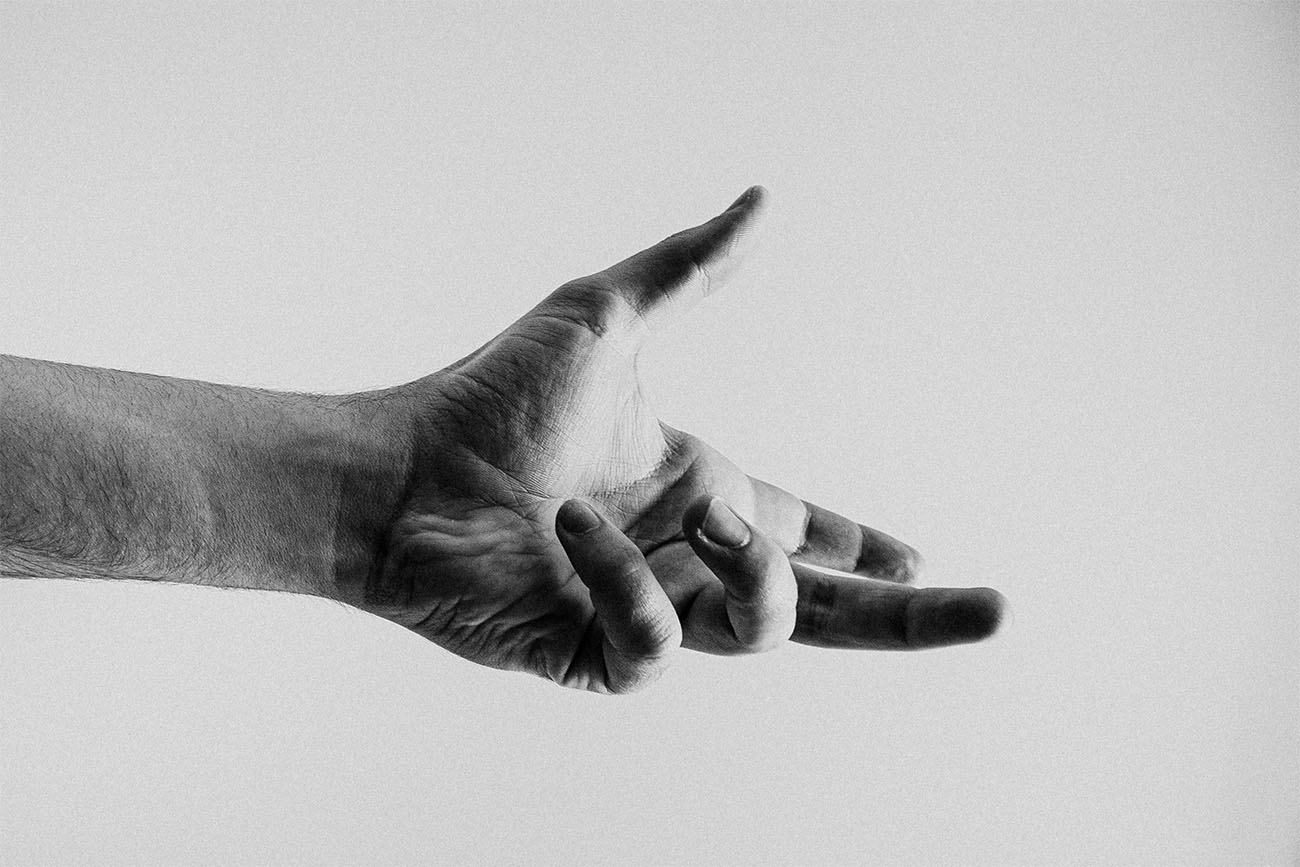
We communicate a lot with our hands. A friendly wave when we see someone we notice at a distance, a nice firm handshake when meeting somebody. There’s another way that we may be tempted to communicate with our hands, particularly whilst on the motorway, but we won’t get into that here.
The Bible suggests that our hands also communicate a lot about the state of our hearts. Moses says in Deuteronomy, as he prepares the Israelites to enter the promised land by reminding them of the law:
If anyone is poor among your fellow Israelites in any of the towns of the land the Lord your God is giving you, do not be hardhearted or tight fisted toward them.
Deuteronomy 15:7
God, as he forms this new family, calls them to a posture of openhandedness that reflects a soft heart. As we think about the way our body, in this case hands, can often reflect our heart, it may be worthwhile considering what this means for us together, as the body of Christ.
I have a daughter. Her name is Anya, she turns two in January, and we have lots in common. We both like taking baths, are messy eaters, and we both like to play.
However, during the first year and a half of her life, we had a significant disagreement. Anya was of the view that the morning ought to begin at around 4:30am. Whereas I strongly feel the day should begin somewhere north of 7:00am.
Anya won this argument most, if not every, morning.
In Jonah, God calls him to preach to the Ninevites, the worst enemies imaginable. Jonah isn’t particularly happy about this, so he runs in the opposite direction, before getting caught in a raging storm. He jumps into the water and is swallowed by a giant fish. In said giant fish, Jonah offers what appears at best to be a half-hearted apology to the Lord, before being vomited back up onto dry land.
Again God calls Jonah to go to Nineveh. Jonah this time obeys, goes to Nineveh and preaches one of the worst sermons I’ve ever heard.
I say one of the worst, because at least it was short.
He says:
Forty more days and Nineveh will be overthrown.
Jonah 3:4
Eight words. With no hope of redemption, or salvation, no hint of grace. Yet somehow the Ninevites respond to this message with genuine repentance, so much so that even the cows repent!
Jonah retreats grumpily to wait and watch in the hopes that God might still destroy Nineveh. Jonah’s fist is closed and his heart is hard. But God isn’t finished with Jonah yet.
Jonah had gone out and sat down at a place east of the city. There he made himself a shelter, sat in its shade and waited to see what would happen to the city. Then the Lord God provided a leafy plant and made it grow up over Jonah to give shade for his head to ease his discomfort, and Jonah was very happy about the plant. But at dawn the next day God provided a worm, which chewed the plant so that it withered. When the sun rose, God provided a scorching east wind, and the sun blazed on Jonah’s head so that he grew faint. He wanted to die, and said, “it would be better for me to die than to live.”
But God said to Jonah, “Jonah, is it right for you to be angry about the plant?”
Jonah 4:5-9
“Sam, is it right for you to be frustrated with your daughter?”
You see, slowly on those mornings I began to realise I had a choice. Would I choose to lean into my frustration at this injustice, to close my fists and harden my heart, which led me to being a grumpy dad? Or would I choose to open my hands – to let go of what I perceived as being my right to feel grumpy and frustrated and to instead choose love and patience, leading me to being a kind and attentive Dad?
Those mornings on which I was able to open my hands, I experienced good mornings, full of joy – even if they were early.
I think us humans are pretty obsessed with this idea of our “rights”.
Our “right” to be grumpy or frustrated. Our “right” to be right, or have things go our way. Our “right” to make rude hand gestures at that guy in the Nissan who just cut us off. Jesus, on the other hand, seems pretty uninterested in his own rights. Paul writes of Jesus in Philippians 2:6:
Who, being in very nature God, did not consider equality with God something to be used for his own advantage…
The context to this verse, by the way, is that this is how we’re supposed to treat one another. Ouch.
The funny thing about the book of Jonah is that the story isn’t really about the Ninevites. It’s about Jonah. I guess that’s how it got its name.
Will Jonah accept God’s radical love and forgiveness for people who absolutely did not seem to deserve it? Or will he cling to his “right” to be angry and resentful, wishing their destruction. I don’t know if Jonah ever did, but what I do know is that if he could have, it would have saved him from a sad life of anger and bitterness.
This is the invitation of Jesus. He says:
Whoever wants to be my disciple must deny themselves and take up their cross and follow me. For whoever wants to save their life will lose it, but whoever loses their life for me will find it.
Matthew 16:24-25
It’s counter-intuitive, but this is the invitation into life that is rich and full – that we put aside our “rights” and instead think of others. That we open our hands, that our hearts might soften. And, in doing so, we might just find that our relationships flourish.
So let us consider together what it may be that God is calling us to loosen our grip on. What “right” do we perhaps hold onto a little tight? And how may we posture ourselves in a way that the whole body of Christ may flourish?
Check out other articles in the
series below.
More articles in the
series are to come.
We have invited these writers to share their experiences, ideas and opinions in the hope that these will provoke thought, challenge you to go deeper and inspire you to put your faith into action. These articles should not be taken as the official view of the Nelson Diocese on any particular matter.
We communicate a lot with our hands. A friendly wave when we see someone we notice at a distance, a nice firm handshake when meeting somebody. There’s another way that we may be tempted to communicate with our hands, particularly whilst on the motorway, but we won’t get into that here.
The Bible suggests that our hands also communicate a lot about the state of our hearts. Moses says in Deuteronomy, as he prepares the Israelites to enter the promised land by reminding them of the law:
If anyone is poor among your fellow Israelites in any of the towns of the land the Lord your God is giving you, do not be hardhearted or tight fisted toward them.
Deuteronomy 15:7
God, as he forms this new family, calls them to a posture of openhandedness that reflects a soft heart. As we think about the way our body, in this case hands, can often reflect our heart, it may be worthwhile considering what this means for us together, as the body of Christ.
I have a daughter. Her name is Anya, she turns two in January, and we have lots in common. We both like taking baths, are messy eaters, and we both like to play.
However, during the first year and a half of her life, we had a significant disagreement. Anya was of the view that the morning ought to begin at around 4:30am. Whereas I strongly feel the day should begin somewhere north of 7:00am.
Anya won this argument most, if not every, morning.
In Jonah, God calls him to preach to the Ninevites, the worst enemies imaginable. Jonah isn’t particularly happy about this, so he runs in the opposite direction, before getting caught in a raging storm. He jumps into the water and is swallowed by a giant fish. In said giant fish, Jonah offers what appears at best to be a half-hearted apology to the Lord, before being vomited back up onto dry land.
Again God calls Jonah to go to Nineveh. Jonah this time obeys, goes to Nineveh and preaches one of the worst sermons I’ve ever heard.
I say one of the worst, because at least it was short.
He says:
Forty more days and Nineveh will be overthrown.
Jonah 3:4
Eight words. With no hope of redemption, or salvation, no hint of grace. Yet somehow the Ninevites respond to this message with genuine repentance, so much so that even the cows repent!
Jonah retreats grumpily to wait and watch in the hopes that God might still destroy Nineveh. Jonah’s fist is closed and his heart is hard. But God isn’t finished with Jonah yet.
Jonah had gone out and sat down at a place east of the city. There he made himself a shelter, sat in its shade and waited to see what would happen to the city. Then the Lord God provided a leafy plant and made it grow up over Jonah to give shade for his head to ease his discomfort, and Jonah was very happy about the plant. But at dawn the next day God provided a worm, which chewed the plant so that it withered. When the sun rose, God provided a scorching east wind, and the sun blazed on Jonah’s head so that he grew faint. He wanted to die, and said, “it would be better for me to die than to live.”
But God said to Jonah, “Jonah, is it right for you to be angry about the plant?”
Jonah 4:5-9
“Sam, is it right for you to be frustrated with your daughter?”
You see, slowly on those mornings I began to realise I had a choice. Would I choose to lean into my frustration at this injustice, to close my fists and harden my heart, which led me to being a grumpy dad? Or would I choose to open my hands – to let go of what I perceived as being my right to feel grumpy and frustrated and to instead choose love and patience, leading me to being a kind and attentive Dad?
Those mornings on which I was able to open my hands, I experienced good mornings, full of joy – even if they were early.
I think us humans are pretty obsessed with this idea of our “rights”.
Our “right” to be grumpy or frustrated. Our “right” to be right, or have things go our way. Our “right” to make rude hand gestures at that guy in the Nissan who just cut us off. Jesus, on the other hand, seems pretty uninterested in his own rights. Paul writes of Jesus in Philippians 2:6:
Who, being in very nature God, did not consider equality with God something to be used for his own advantage…
The context to this verse, by the way, is that this is how we’re supposed to treat one another. Ouch.
The funny thing about the book of Jonah is that the story isn’t really about the Ninevites. It’s about Jonah. I guess that’s how it got its name.
Will Jonah accept God’s radical love and forgiveness for people who absolutely did not seem to deserve it? Or will he cling to his “right” to be angry and resentful, wishing their destruction. I don’t know if Jonah ever did, but what I do know is that if he could have, it would have saved him from a sad life of anger and bitterness.
This is the invitation of Jesus. He says:
Whoever wants to be my disciple must deny themselves and take up their cross and follow me. For whoever wants to save their life will lose it, but whoever loses their life for me will find it.
Matthew 16:24-25
It’s counter-intuitive, but this is the invitation into life that is rich and full – that we put aside our “rights” and instead think of others. That we open our hands, that our hearts might soften. And, in doing so, we might just find that our relationships flourish.
So let us consider together what it may be that God is calling us to loosen our grip on. What “right” do we perhaps hold onto a little tight? And how may we posture ourselves in a way that the whole body of Christ may flourish?
Check out other articles in the
series below.
More articles in the
series are to come.